A Letter from a Stranger, a Thousand Years Late: Women of the Silk Road
The Silk Road is remembered for camel trains and envoys. There was another group on those roads: the women who left contracts, letters and footprints behind them.
Mention the Silk Road and what comes to mind is usually the camel trains on the long trade routes, the envoys sent into foreign courts, the trade and warfare stretching endlessly between frontier towns and empires. It is a road that has been written about over and over, and it has left no shortage of stories about migration, conquest, exchange and risk.
At the edges of those large narratives, women are not absent. They survive in more fragmentary form: a wall painting, a piece of hearsay, a tomb inscription, a line in a foreign record. But put the scattered traces back together and a different Silk Road appears — one that belonged not only to dynasties, city-states and merchant caravans, but was also a road a great many women actually walked.
(For background on the Sogdians, the Smithsonian’s Sogdian site is a good starting point: https://sogdians.si.edu/)
1. The Ancient Sogdian Letters: a woman’s letter, a millennium and a half late
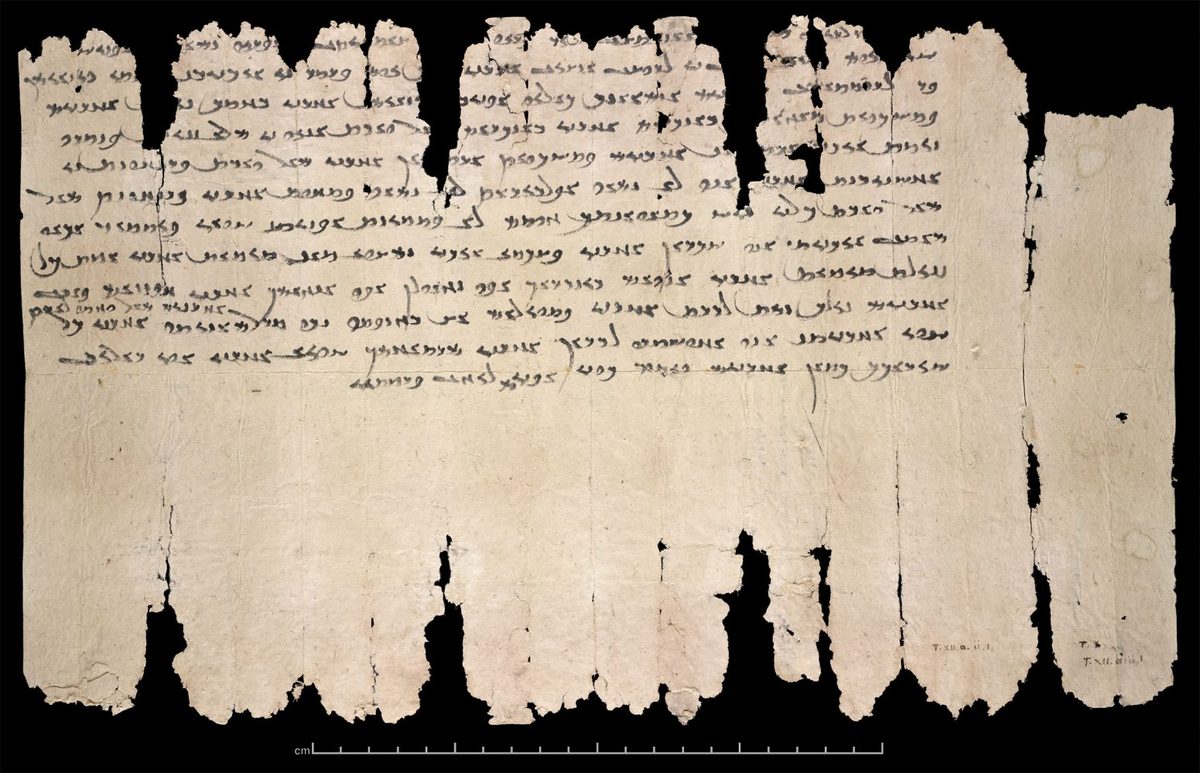
In 1907 an explorer found eight letters in an abandoned watchtower near Dunhuang — the Ancient Sogdian Letters, which had lain there for more than fifteen hundred years. Two of them were written by a Sogdian woman named Miwnay, around AD 313–314.
One is addressed to her husband, Nanaidhat. He had abandoned her and their daughter and left them with heavy debts. In it she tells him, with some force, that she would rather be married to a pig or a dog than to him. The other is to her mother, Chatis, asking for help, and for the protection of the local priest and the Dunhuang administrator.
2. The mistress of an oasis city, holding the place together
What actually strung the long Silk Road together was a chain of thriving oasis city-states, and the running and the prosperity of those cities were in large part built by local Sogdian women. The mistress of an oasis city was typically highly literate, and functioned as a discreet, powerful hub of information and operations along the route.
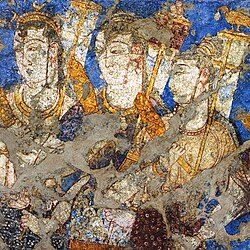
At the Sogdian city of Penjikent, excavators found the best-known surviving Sogdian wall paintings, including a scene of Sogdian women drinking and singing at a feast.
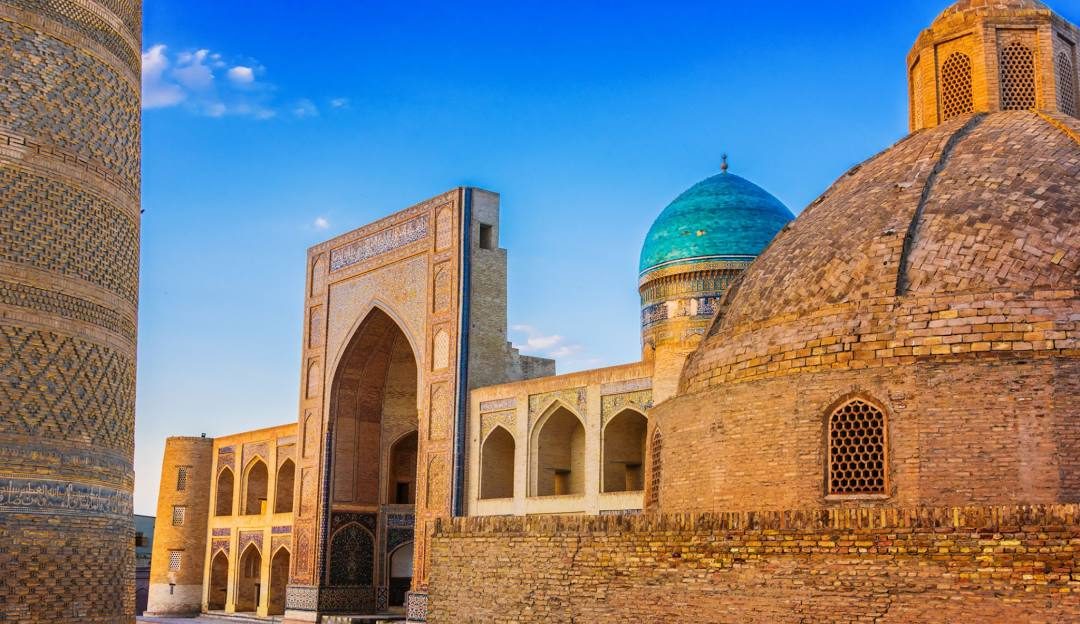
The Encyclopædia Iranica records that the oasis city of Bukhara, in present-day Uzbekistan, was ruled by a local Sogdian dynasty — and that the person actually governing at the time was a woman.
3. The real history, and what we imagined from it
The eight letters were found in the sand. The courier passed through Dunhuang, went into a small room inside the watchtower, and the letters were left there. Through sixteen centuries of wind and sand they stayed where they fell, and never reached the people they were addressed to.
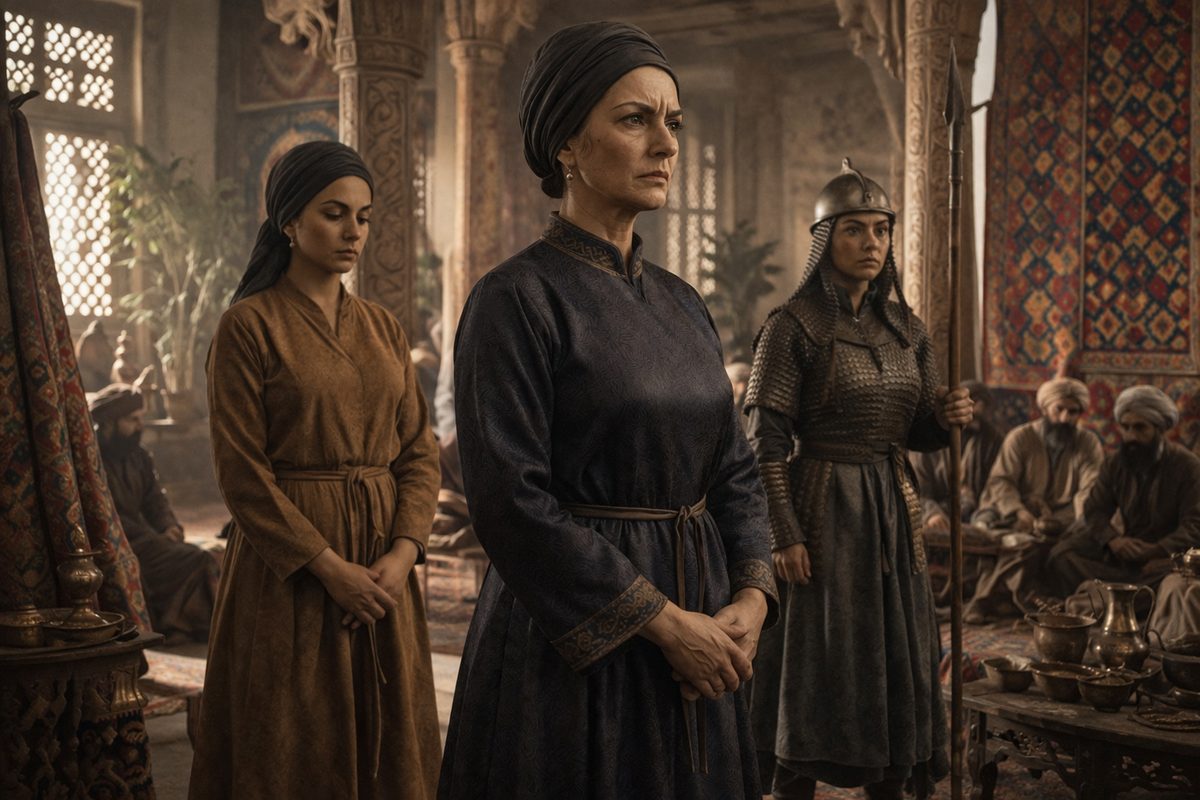
In our story we invented a Sogdian matriarch, Miwani, based on Miwnay’s situation. Nobody knows whether Miwnay and her daughter were ever collected by her mother. In our version, her mother is the mistress of an oasis city, has already learned of the situation by some other route, and has gone to fetch her daughter.
One courier’s lapse, two letters left in the sand, asleep for fifteen hundred years. Only now do we know they came from a woman at Dunhuang. She is one of the very few Sogdian women whose name survives at all, and it survives in a strange form — one letter cursing her life, one asking her mother for rescue. The Sogdians are remembered as the great merchants, envoys and translators of the Silk Road. Sogdian women are usually the part of that history people forget.
Background to the fiction
This note is research for the original novel Where She Goes, set in AD 632, in which a woman travels the Silk Road from the dusk of Sasanian Persia into the height of Tang China, looking for an answer of her own. The Chinese original of this article is at 一个陌生女人,穿越千年的来信.