Seitō: “In the Beginning, Woman Was the Sun” — Japan's First Women's Magazine
In 1911 Hiratsuka Raichō and four other young women founded the Seitō Society and published Japan's first literary magazine written entirely by women, for women. The real history of Seitō and the society behind it.
“In the beginning, woman was the sun.” That is the first line the Japanese writer Hiratsuka Raichō wrote in the opening issue of Seitō. In 1911, five young women with the best education then available in Japan founded the Seitō Society and launched the first literary magazine in Japanese history written entirely by women and addressed entirely to women.
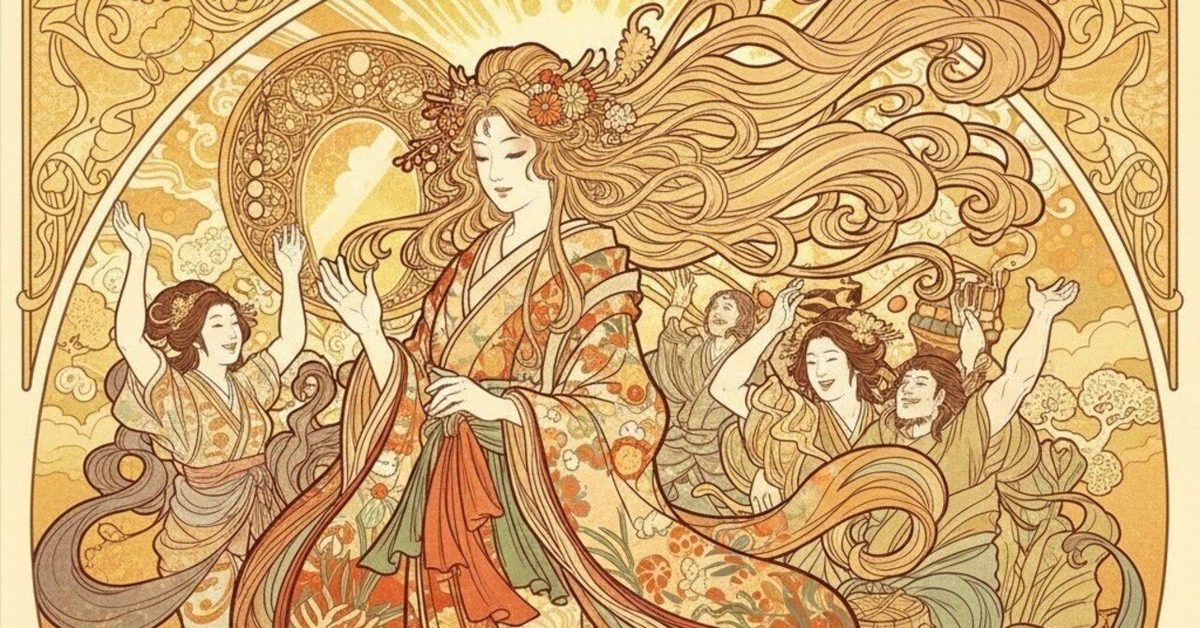
1. In the beginning, woman was the sun
Hiratsuka’s sentence has been read many ways. One reading points at Shintō. Japan is said to have eight million gods, and the one who presides over them is the sun goddess, Amaterasu. The Kojiki records her as the embodiment of the sun, ruling Takamagahara, the plain of high heaven; by tradition Japan’s imperial line descends directly from her.
Over time, though, that light was covered over. In Hiratsuka’s own words, woman had become “a moon that lives off others and shines by another’s light.” What the Seitō Society wanted was for women to be the sun again — the thing that produces its own light.
2. From London to Tokyo: where the name came from
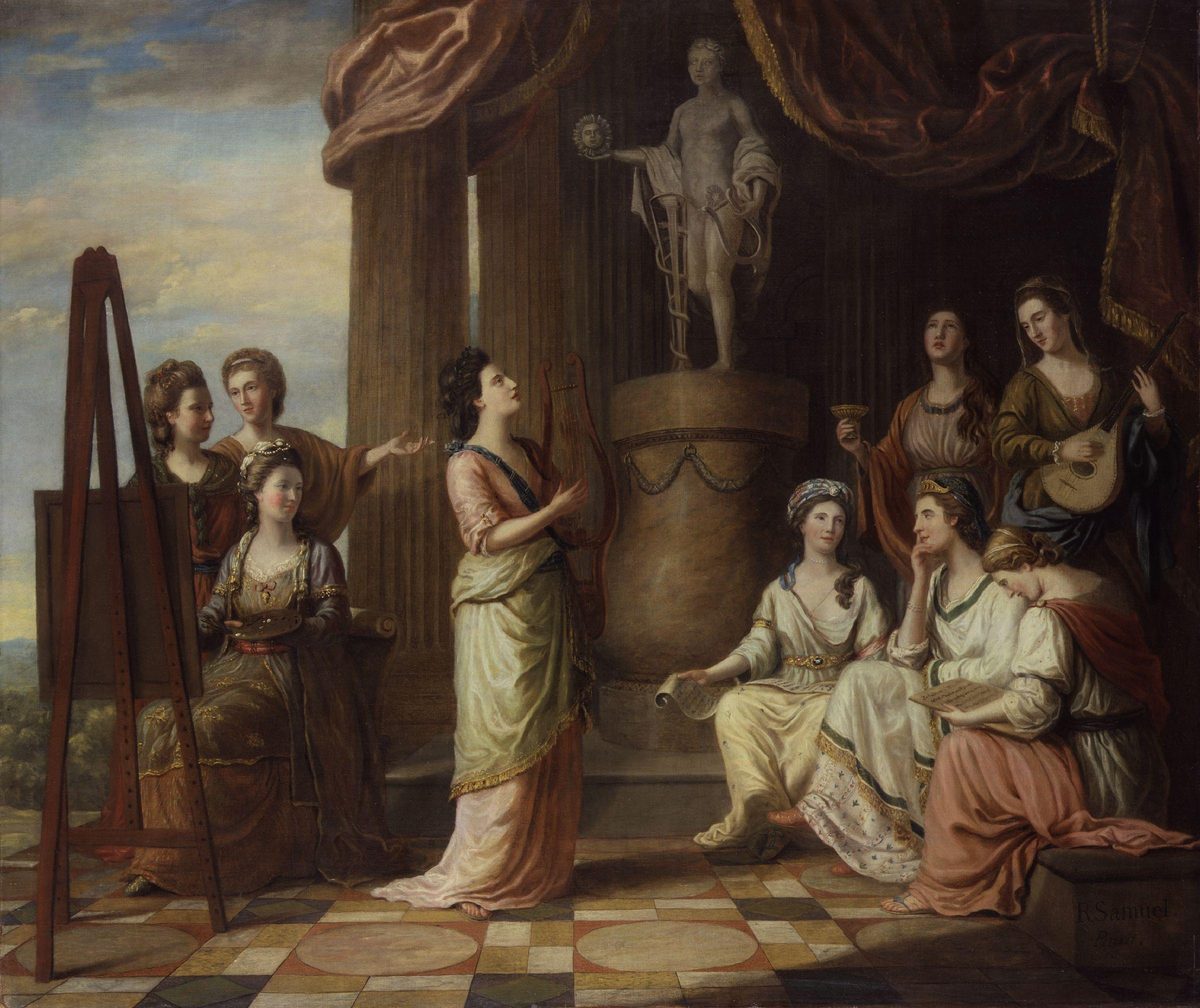
In the middle of the eighteenth century a group of gifted upper-class women in London, unwilling to be ornaments, began using learning and intellect to challenge what society expected of them, and founded the celebrated circle known as the Bluestockings. A century later, when that word for women’s intelligence reached Japan, it was translated elegantly into two characters — 青鞜, seitō, blue stockings.
3. 1911: Japan’s first women’s magazine
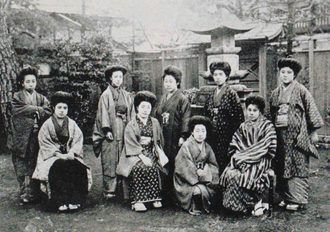
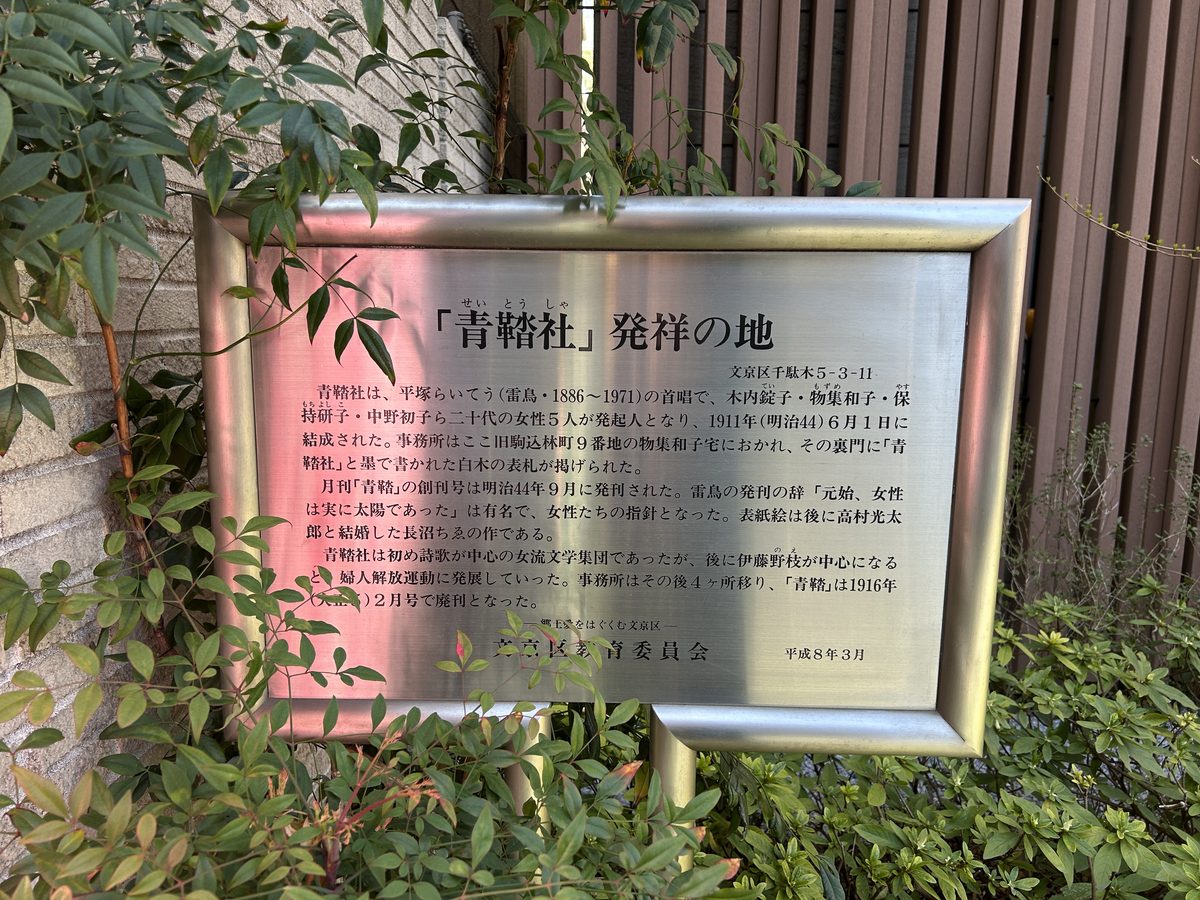
The Seitō Society was founded in 1911 by Hiratsuka Raichō together with Kiuchi Teiko, Mozume Kazuko, Yasumochi Yoshiko and Nakano Hatsuko — five women in their twenties. They decided to produce a magazine of their own, written entirely by women and read entirely by women. It was an act of some daring for the time. With no sponsor they raised the money themselves; with no distribution they went to the printers and the bookshops themselves. That September, Seitō, the first all-women literary magazine in Japanese history, went on sale.
4. Hiratsuka Raichō’s founding statement
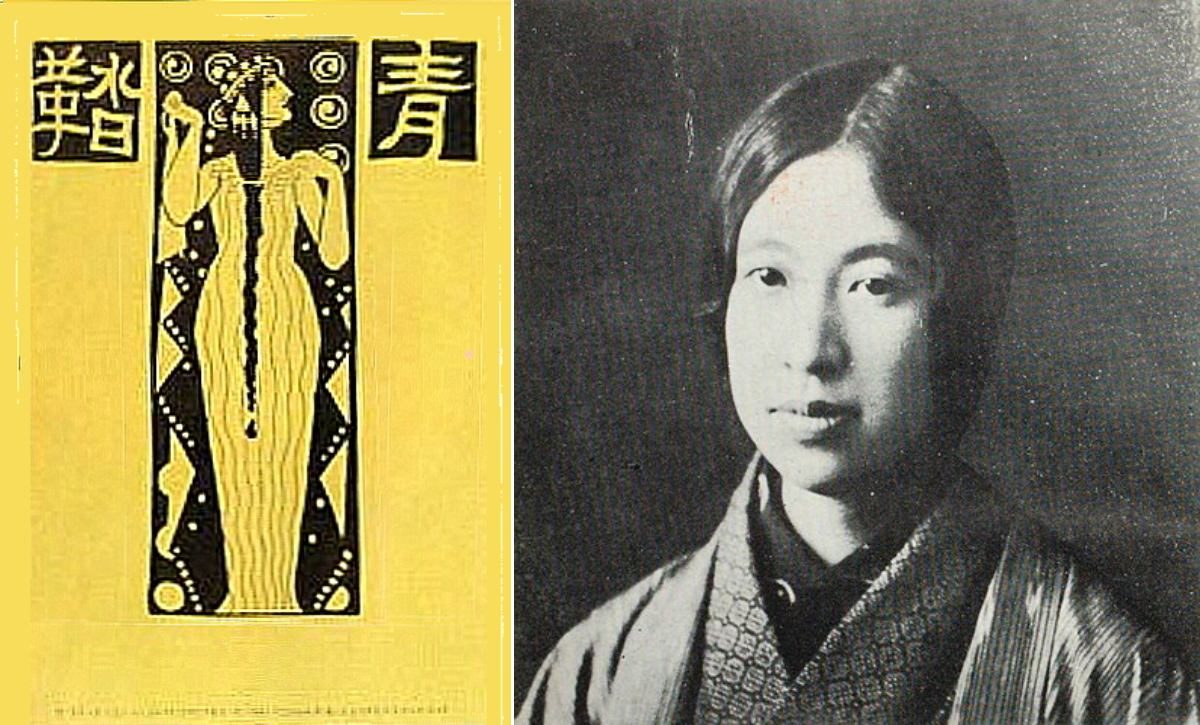
Which brings us back to the opening: Hiratsuka, one of the founders, wrote the manifesto for the first issue — in the beginning, woman was the sun. They also set down the society’s first rule:
We aim to advance women’s literature, so that every member may show the talent she was born with, and so that one day a woman of literary genius will come out of it.
The cover of the first issue was drawn by Naganuma Chieko, who later married the sculptor Takamura Kōtarō.
5. A constellation of a period
Seitō quickly became more than a magazine. It was a window through which Japanese women could see the world, and each other. The standard was high — accomplished modern poetry, serialised fiction, literary criticism, and precise translations of contemporary Western philosophy. At its height the society gathered some of the sharpest women’s minds in Japan, and circulation reached three thousand copies a month, a striking figure for independent publishing at the time.
6. Looking back a century later
Seitō ceased publication in 1916, the fifth year of Taishō, partly because of the First World War, and the society gradually dissolved. After Itō Noe became central to it, the group had moved further — from a women’s literary circle built mainly on poetry toward a women’s liberation movement.
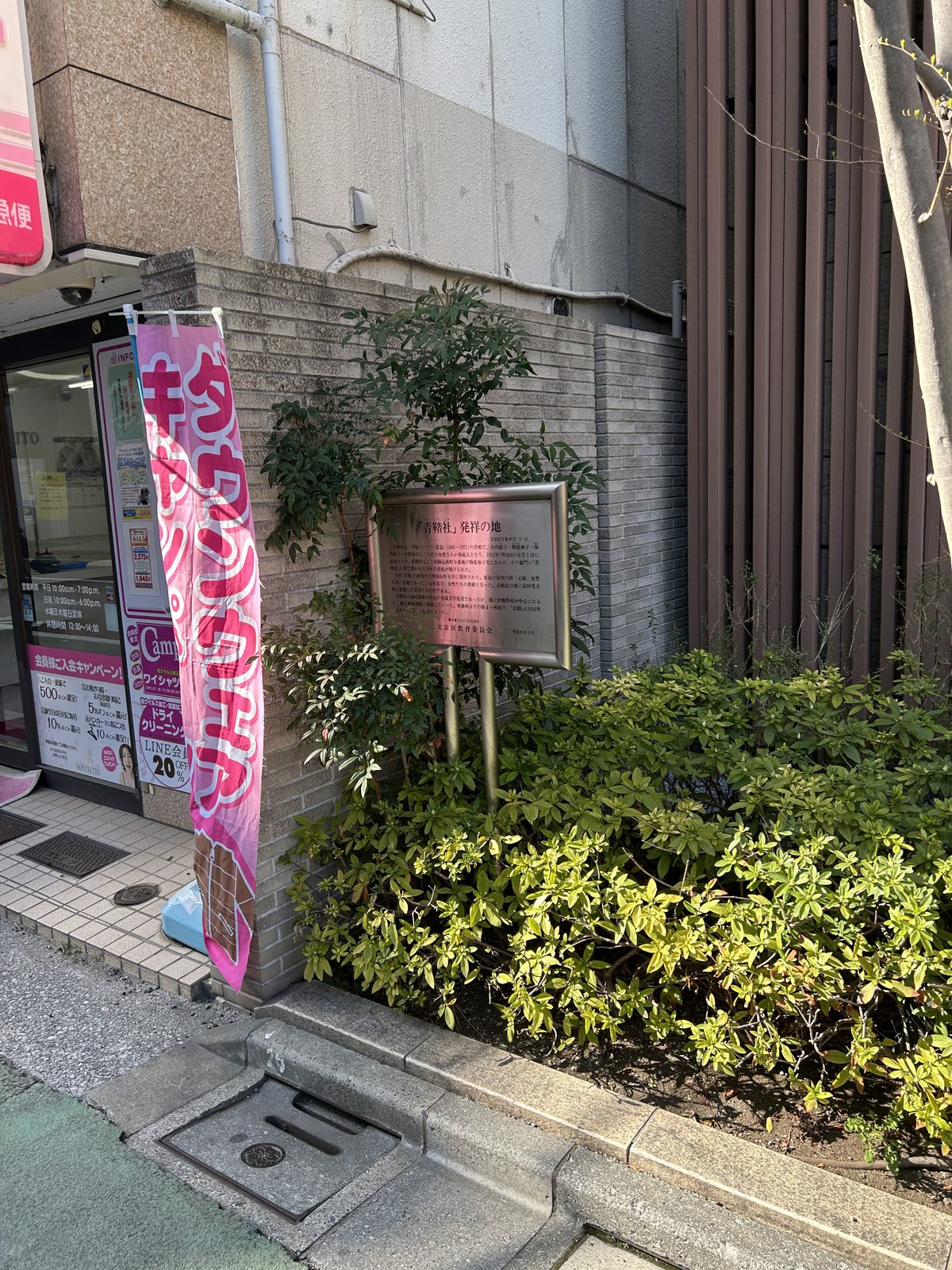
More than a hundred years on, the site where the society was founded, in Sendagi in Tokyo’s Bunkyō ward, is an ordinary residential street with an apartment building on it. All that remains is a bronze plaque marking the birthplace of the Seitō Society.
Afterword
Let the poem the celebrated poet Yosano Akiko wrote for the first issue close this piece:
The day the mountains move has come. I say this, and no one believes me. The mountains have only slept a while; in the age before, they all burned with fire and moved. And all the women who slept — they have woken now, and are moving.
(The manuscript of this poem is held at the Kitakyūshū Municipal Gender Equality Centre, MOVE, displayed at the entrance to the second-floor hall.)
Image credits
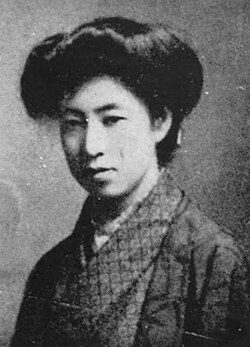
The cover of the first issue of Seitō (drawn by Naganuma Chieko, 1911), the group photograph of the society, and the portrait of Hiratsuka Raichō are public-domain historical images. The sun-goddess illustration for “in the beginning, woman was the sun” is a modern drawing. The Bluestockings painting is Richard Samuel’s The Nine Living Muses of Great Britain (National Portrait Gallery). The plaque and the street view at the founding site were photographed on location.
Background to the fiction
This note is research for the original novel Bread and Roses, set in the South Wales coalfield in 1910. The Chinese original of this article is at 青鞜社与《青鞜》.