Persian Lionesses: Women Warriors and Empresses of Sasanian Persia
The women fighters, commanders and two empresses of Sasanian Persia — Boran and Azarmidokht. This land has produced formidable women for a very long time.
Reading into Sasanian history, what became clear is that the land the empire occupied — present-day Iran and Iraq — has been producing formidable women for a very long time. Iranians often call a woman Shir-Zan, lioness, in praise of her courage and her judgement. From epic to documented history, the lionesses of Persia have always been fighting.
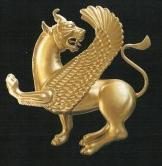
1. The warrior in the epic
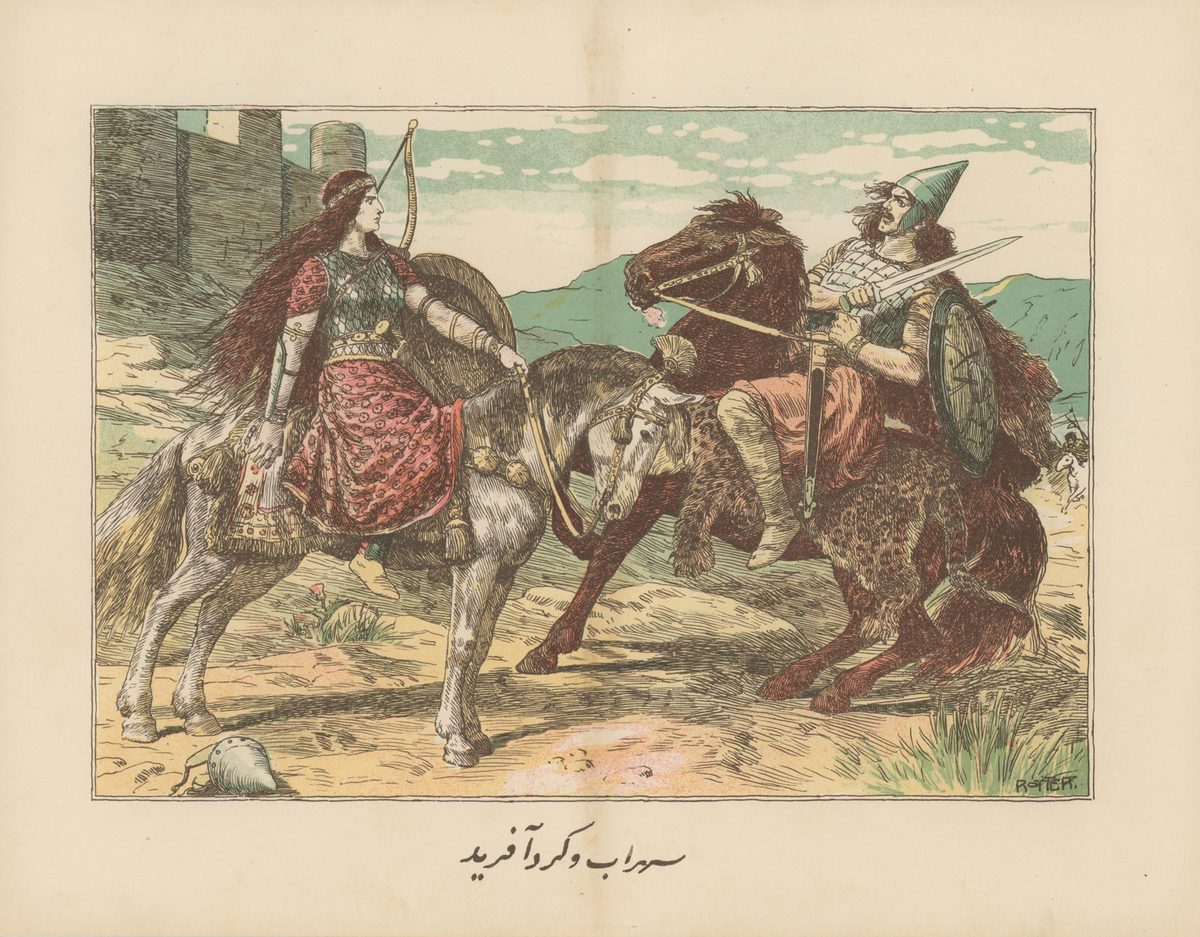
Ask an Iranian to name the most famous woman warrior they know and you will probably hear one name: Gordafarid. The curious thing is that she is not historical; she is a character in an epic.
In the Shahnameh, Persia’s great national epic, there is a scene in which a Persian border fortress is besieged by a Turanian army and the commander is beaten at the first encounter. A single fighter then rides out of the fortress to meet the enemy alone, and drives the Turanian champion onto the defensive — until the helmet is torn off and everyone realises the fighter is a woman. Her name is Gordafarid, and she has her own Wikipedia entry.
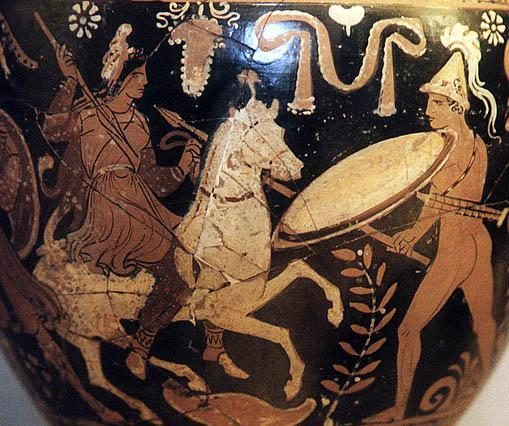
That brings up an older tradition: the Amazons. One Greek red-figure vase shows Amazons fighting Greeks, and the women are dressed in Persian-style trousers, tunic and shoes. The Greeks were evidently unsettled by their eastern neighbours — women who could ride and shoot — enough to write them into myth.
2. Women warriors as the Romans saw them
The Byzantine historian Zonaras, writing about the army of the Sasanian emperor Shapur I, left this: it was said that in the Persian army women were also found, dressed and armed no differently from the men.
He adds that when the dead were counted after the battle, the Romans found women among them — some killed, some taken alive. Women armed and equipped exactly as men clearly made an impression. The rebel Persian commander in our story was written out of this passage.
3. Women warriors in the historical record
After the fall of the Sasanians in 651, the general Apranik kept up a guerrilla resistance for years; the histories record that she died in battle, and her name became a byword for a courageous woman fighter. In the same period Negan and Azadeh organised resistance forces in the northern mountains, using the terrain to keep the fight going — that region was not subdued until the eighth century.
4. Women warriors dug out of the ground
In 2004, 109 warrior graves were excavated near Tabriz in Iran. Seeing the metal swords and the heavy skeletons, archaeologists initially assumed these were obviously strong men. DNA testing showed the occupants were women.
Women buried with swords are not an isolated case in that region. A 2018 study reported that at Parthian sites — the dynasty preceding the Sasanians — large numbers of women’s graves were also found containing swords, daggers and spearheads. In the Iranian-language tradition, women taking up arms has a long inheritance behind it.
5. The last women at the top of power
Before the Sasanian collapse, the empresses Boran and Azarmidokht each came to the throne — a stretch of history we adapted lightly for our story.
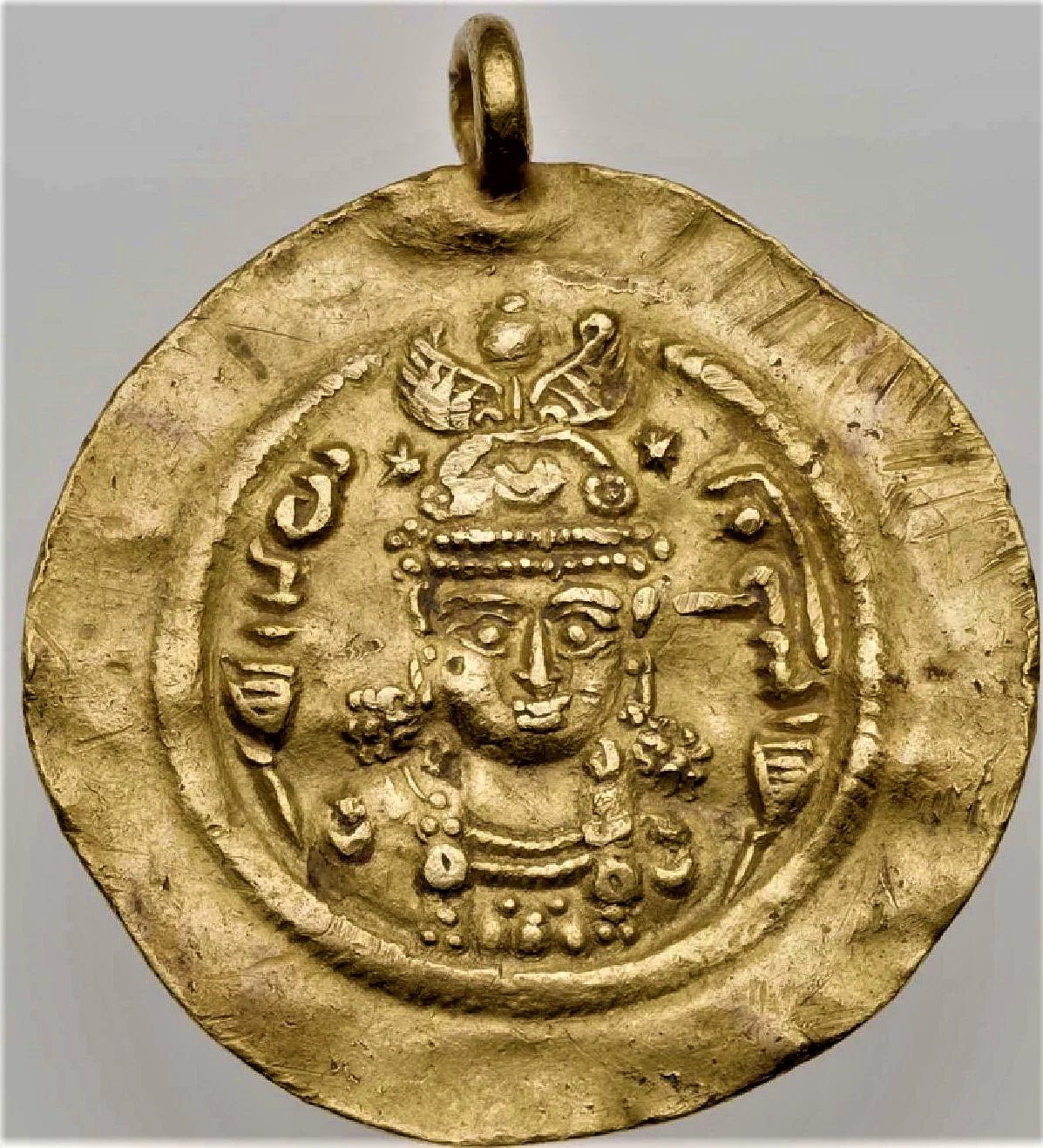
Boran did the things a good ruler is supposed to do: cut taxes, rebuilt infrastructure, made peace with Byzantium, returned holy objects taken in war, and worked at repairing relations with neighbouring states. She also issued her own coinage. The Encyclopædia Iranica records that the last known gold coin of the Sasanian dynasty was issued by Boran — a woman’s face on the final gold coin of a four-hundred-year empire. In her own way she fought to the empire’s last moment.
Afterword
Shir-Zan, lioness. The word was built up over thousands of years of history on that land. These women are in the epics, in the legends, in their enemies’ records, in the long swords in their graves, and on the empire’s last gold coin.
Why were Persian women called lionesses? Because that is what they were.
Background to the fiction
This note is research for the original novel Where She Goes, set in AD 632. The Chinese original of this article is at 波斯母狮:萨珊波斯的女战士与女皇.