The Native Blade: The Forgotten War, and the Women in It
In the wars behind America's westward expansion in the nineteenth century, how Indigenous women fought, survived and resisted. Research for Western Story.
The end of the nineteenth century is the opening chapter of the grand American story of the West. It is also the darkest point of the genocide and cultural erasure carried out against the Indigenous peoples of North America.
Indigenous women in that period carried a double weight. In many nations with matrilineal traditions, where women held high standing, they lost not only their homelands but were forced into the judgement and contempt of a white patriarchal society — stigmatised, treated as spoils, or classed as savages in need of rescue and reform.
The truth of it is considerably stronger than that. They never stopped fighting. Some took up guns and blades and put fear into the US Army in the field. Others took up pens and violins and indicted the violence of civilisation in its own excellent English.
This was their war, and nobody was looking at it. This piece is about the ones who fought with the arrow, and never stopped.
1. Fighting with the arrow — women warriors on horseback
Among the Apache, the Cheyenne and other nations, women generally handled logistics and the camp. That did not mean they could not be warriors. When a people faced extinction, some women went to the front of the line.
Lozen (c. 1840–1889) — the Apache Joan of Arc, the chief’s right hand
Lozen was the sister of the Apache chief Victorio and the best known of the Apache women warriors. Through the Apache wars against the United States her people regarded her as their shield and their spirit, and she fought the colonial power until she died.
She was a fighter. As a child Lozen refused the conventional role for women and wanted to be a warrior. She never married, and chose to ride, shoot and fight as the men did. Victorio said of her that she was as strong as a man, braver than most, and his right hand.
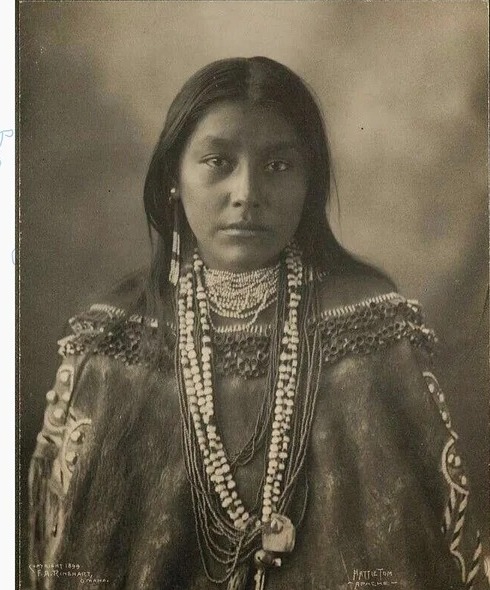
She was also a faith. Lozen was a seer and a healer for her people. Fighters relied on her to read where the enemy was; when Mexican troops trapped an Apache band, many believed that had Lozen been present they would not have been ambushed. She was a soldier and an object of belief at once.
Victorio’s War (1879–1881). With the band pursued by US forces, Lozen rode with her rifle raised and led the women and children across a river to safety, then turned straight back into the water to rejoin the fighters and hold off the pursuit. On another occasion she escorted a mother and a newborn with nothing but a rifle, a cartridge belt, a knife and three days of food, crossing the whole Chihuahuan Desert and the territory held by Mexican and US cavalry, and reached the Apache reservation.
The last resistance. Late in the war the destruction of the Apache was all but settled, and Lozen understood that the survivors still needed her. She rode out of the reservation again, crossed the desert, and found the shattered band in the Sierra Madre. By then the leadership consisted of her and Nana, who was seventy-four. One woman and one old man were the last Apache resistance.
After Geronimo, the last allied fighter, surrendered, Lozen was taken prisoner — among the last of the Apache war’s combatants to give up. The rider died of tuberculosis in a prisoner-of-war camp in Alabama and was buried in an unmarked grave.
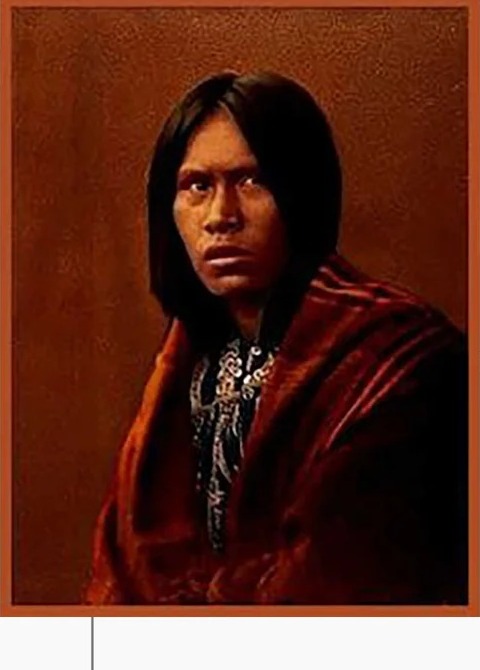
James Kaywaykla, who saw her as a child, remembered her riding like a man, shooting like a man and fighting like a man — Victorio’s sister, the woman warrior Lozen.
Buffalo Calf Road Woman (c. 1844–1879) — the Northern Cheyenne fighter who brought down a general
The Indigenous nations ultimately lost the wars against the colonists. But if you want one woman who directly changed the military history of the United States, most people arrive at Buffalo Calf Road Woman of the Northern Cheyenne. She fought at the Battle of the Rosebud and the Battle of the Little Bighorn in 1876, and is held up as a symbol of Cheyenne courage.
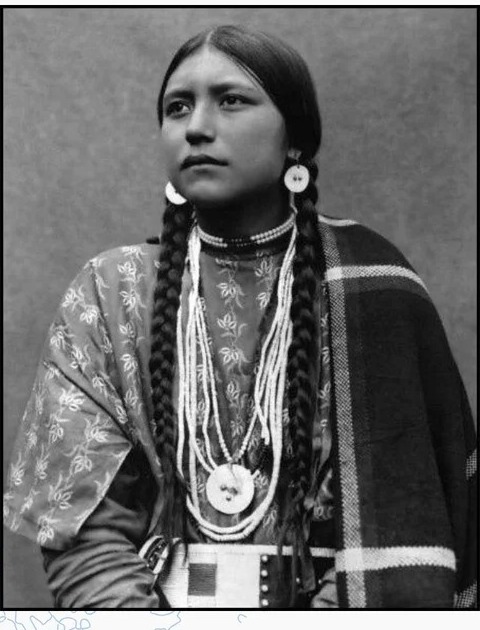
A battle named for her. At the Rosebud in 1876 the allied Indigenous force was losing ground against the colonial troops and beginning to fall back. Her brother was wounded and left on the field. As everyone else rode clear, she went into the gunfire alone, pulled him up onto her horse and brought him out. Her courage lifted Cheyenne morale, the Indigenous force turned back, and they beat the colonial troops. In her honour the Cheyenne call the engagement the Fight Where the Girl Saved Her Brother.
The Little Bighorn. She took the field again at the famous battle that followed. According to Cheyenne oral history it was she who knocked General George Custer from his horse — with a club, or with a shot — collapsing the American command. White histories long ignored the detail, but in Indigenous memory she is at the centre of that victory.
Resistance and loss. After the war she and her people evaded pursuit for a time before being forced into Indian Territory. Harsh conditions and disease gave her diphtheria in captivity, and she died in 1879, in her thirties; her husband then took his own life. Her story has been carried a long time among the Northern Cheyenne as a symbol of the nation’s endurance, and she is known as Brave Woman.
A nation is not conquered until the hearts of its women are on the ground.
— Cheyenne traditional saying
More women who took up the bow
Moving Robe Woman — she joined her first fight at seventeen. At twenty-three, at the Little Bighorn, Custer’s troops killed members of her family and she went straight into the battle; after Buffalo Calf Road Woman brought Custer down, she came forward and killed him, avenging her dead.
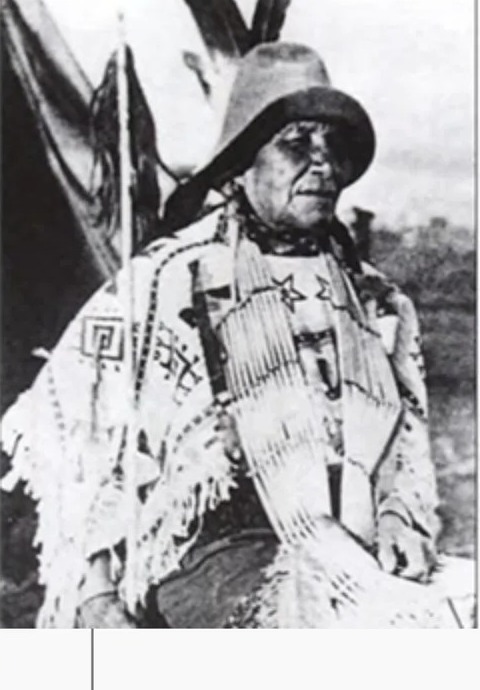
In her own account, collected in Lakota Recollections of the Custer Fight, she describes her heart being on the ground and calling for revenge for her family’s deaths, remembering her young brother One Hawk; she fetched her black horse, painted her face with red paint and braided her hair. She was in mourning, she says, and though she was a woman she was not afraid.
Minnie Hollow Wood — a Lakota woman who fought the US cavalry at the Little Bighorn with such distinction that she earned the right to wear a war bonnet. The bonnet is a feathered headdress normally reserved for senior men of the nation, and it is a very high honour; for a period she was the only woman of her people entitled to wear one.
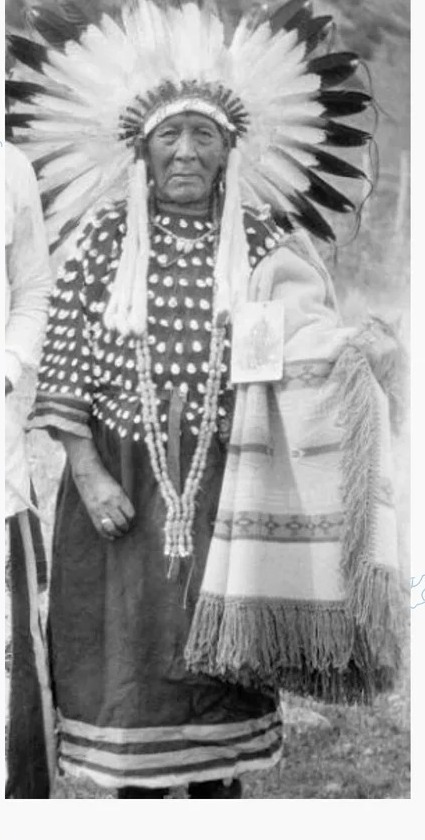
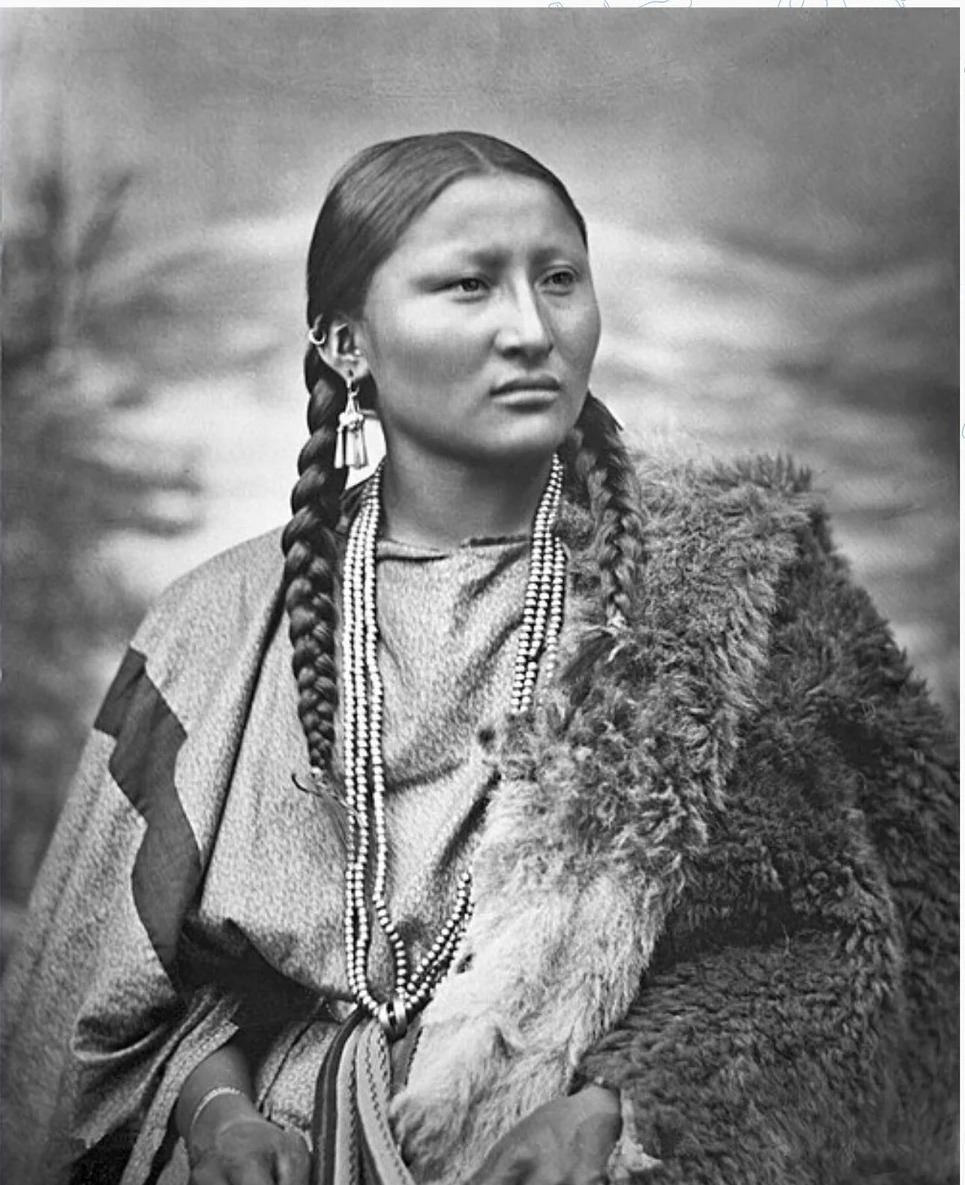
Pretty Nose — in 1876 she rode with a combined Cheyenne and Arapaho force at the Little Bighorn, Custer’s last stand. Her record as a fearless fighter was preserved.
Afterword
The Little Bighorn, which runs through all of this, pulled in almost the whole Indigenous world of the plains, and is also known as Custer’s last stand. The Seventh Cavalry under his command was catastrophically defeated: five of twelve companies were wiped out, Custer was killed, and so were two of his brothers, a nephew and a brother-in-law.
Over the following decades Custer and his troops were nevertheless built up as heroic figures in American history — Custer had in his lifetime been floated as a possible presidential candidate. In 1934 a biography of him was published under the title Glory-Hunter.
Which may be exactly why, besides fighting the enemy with the arrow, people also needed to pick up the pen, to write the cruelty down and go on putting it to the civilised world across a very long stretch of time. It is worth thinking about: compared with dying bravely in the field, the women who spent decades afterwards ground down by the Indian agency and guardianship systems, watching their culture and their beliefs being worn away and replaced, may have suffered more. And what is remarkable is that they held on, spending their whole lives waiting for a chance that the colonisers might repent.
That is the subject of the next piece: fighting with the pen — the Indigenous women who indicted the civilised world.
Background to the fiction
This note is research for the original novel Western Story, set in the American West of 1875. The Chinese original of this article is at 印第安的剑.