They Worked at the Bottom of the Pit: The Real History of Japan's Women Miners
In the coal mines of Meiji Japan, women worked in pairs at the deepest point of the seam. The real history of Japan's women miners.
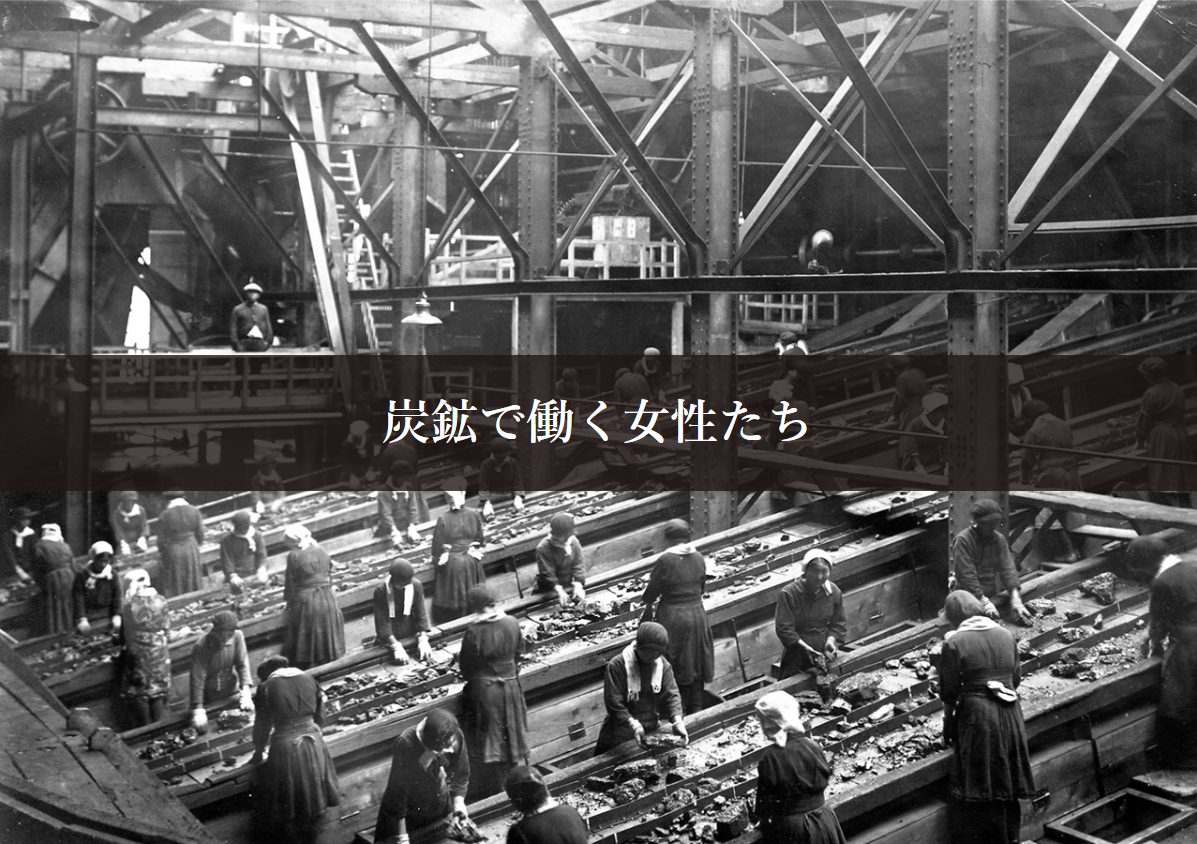
In Japanese coal mines from the Meiji era into early Shōwa, coal was usually cut in pairs: the person hewing at the face was the sakiyama, and the person hauling the coal out of the gallery was the atoyama. In the Chikuhō coalfield in Kyushu and elsewhere, the atoyama role was carried almost entirely by women, and some women worked as sakiyama directly. In hot, unventilated galleries they often worked a full day of punishing labour wearing nothing but a cloth at the waist, holding up the heaviest and least-told part of Japan’s industrialisation.
Down in that heat they worked and sang the work song Tankō-bushi. Later, collected and circulated, the song spread across the whole country and became one of the tunes people know from Obon.
1. A belief in the Meiji mines: the mountain god is a woman
Among Meiji miners there was a belief that accidents happened because someone had offended the mountain god and brought down a curse. Offences included, among others, going into the mountain or the pit when you should not, harming or profaning something the god favoured — an animal, for instance — and bringing in anything unclean, which meant blood.
Menstrual blood was therefore counted as unclean, and women who were menstruating or who had recently given birth were generally barred from going below.
What is interesting is that people simultaneously believed something else: that the mountain god herself was a woman.
2. “The mountain god is a woman too. She will understand.”
Being kept out of the pit for a physical or reproductive reason meant losing that day’s pay — many miners at the time were paid daily. To live, plenty of women went down in secret anyway. Some padded themselves with straw sandals or newspaper to conceal their condition and worked as usual. Some kept working while pregnant, and some gave birth underground.
To the claim that this would offend the mountain god, the women had their own reply. If the god was herself a woman, then she must understand menstruation, pregnancy and birth, and would not send down disaster over natural facts of a woman’s body.
The mountain god is a woman too. She will understand us.
It is a moving piece of reasoning. Even in dreadful conditions these women were not passively accepting the rules. They understood the world in their own way and argued themselves a little room to breathe.
3. The small shrines still standing in the hills
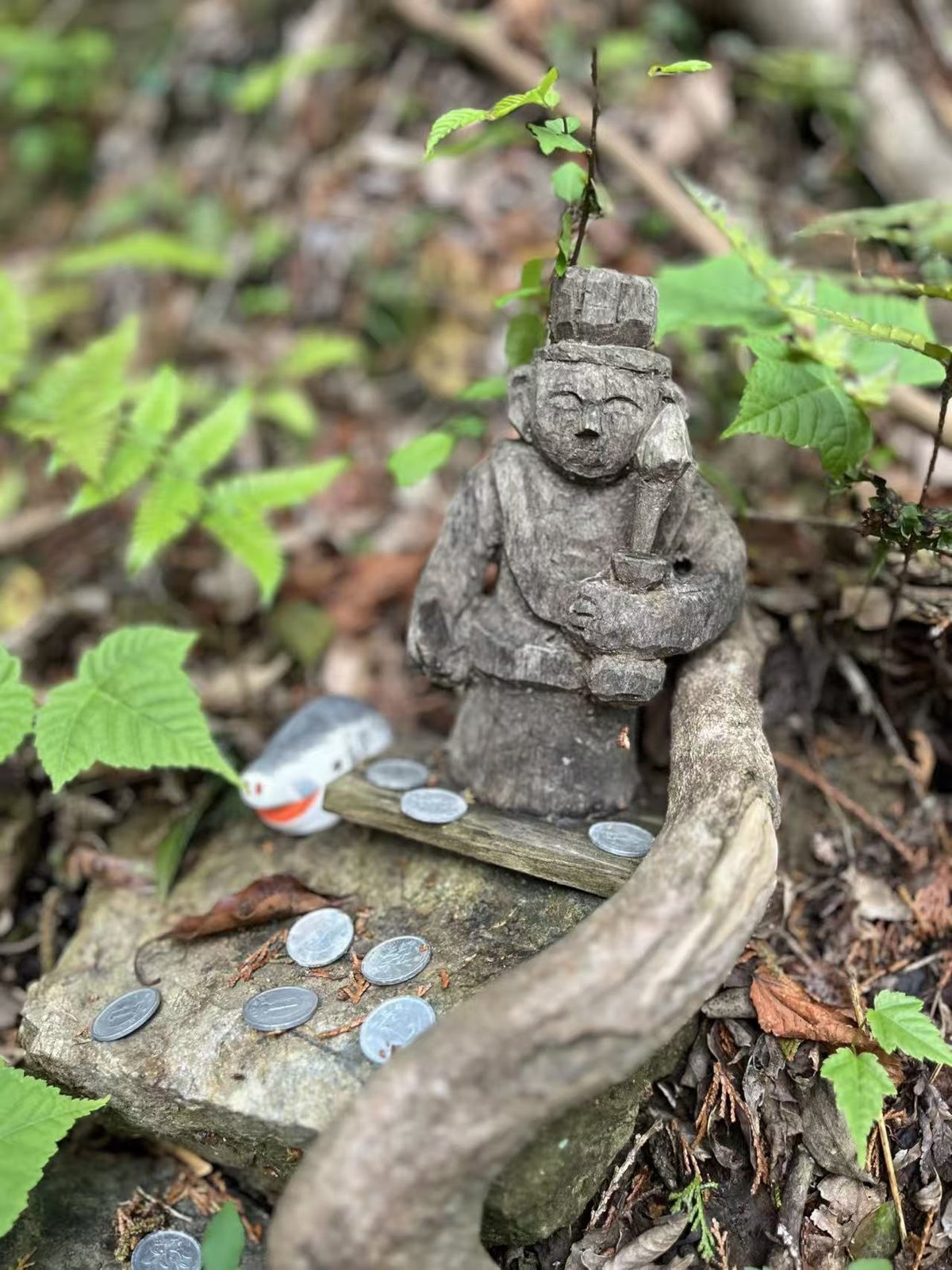
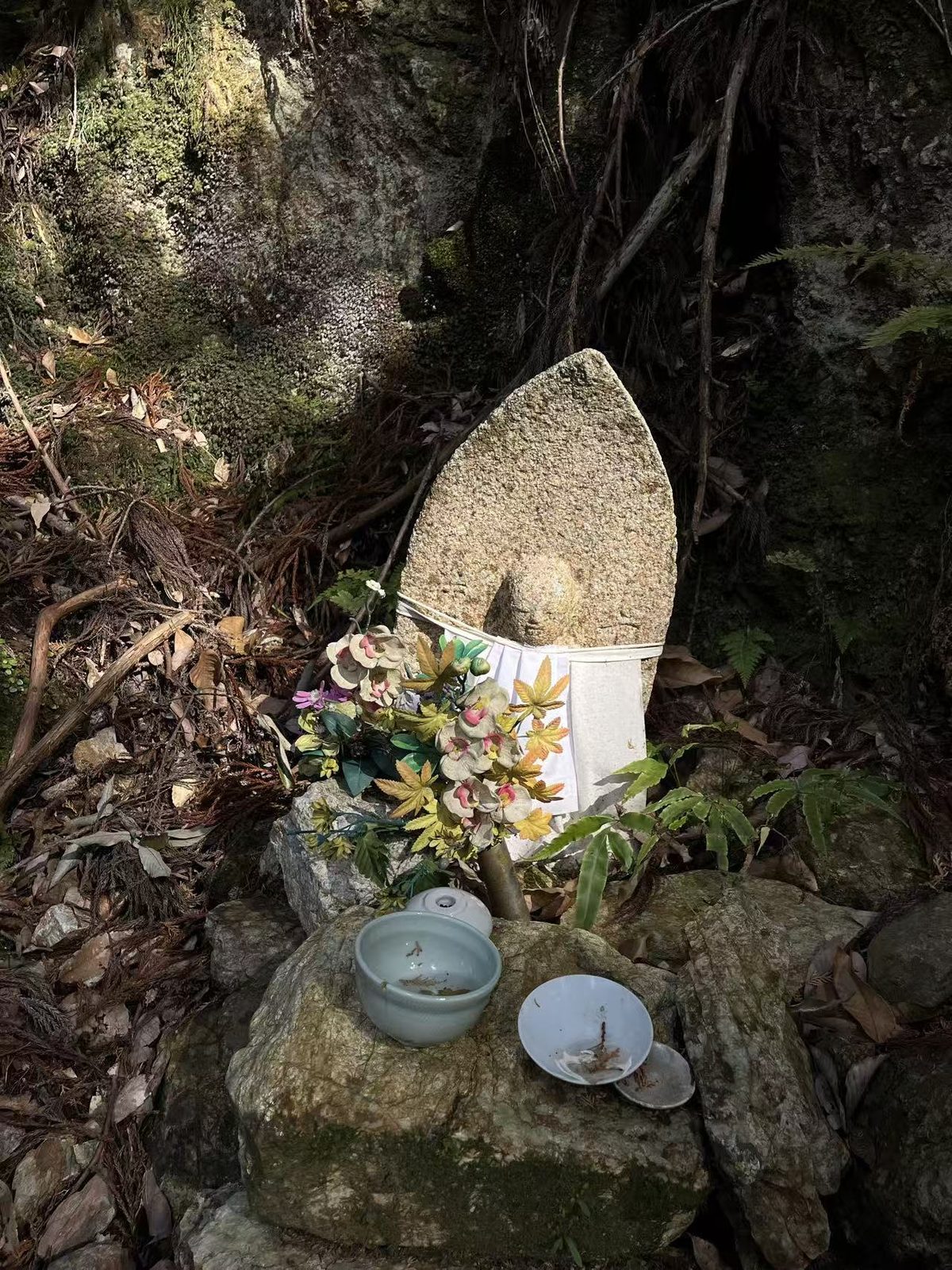
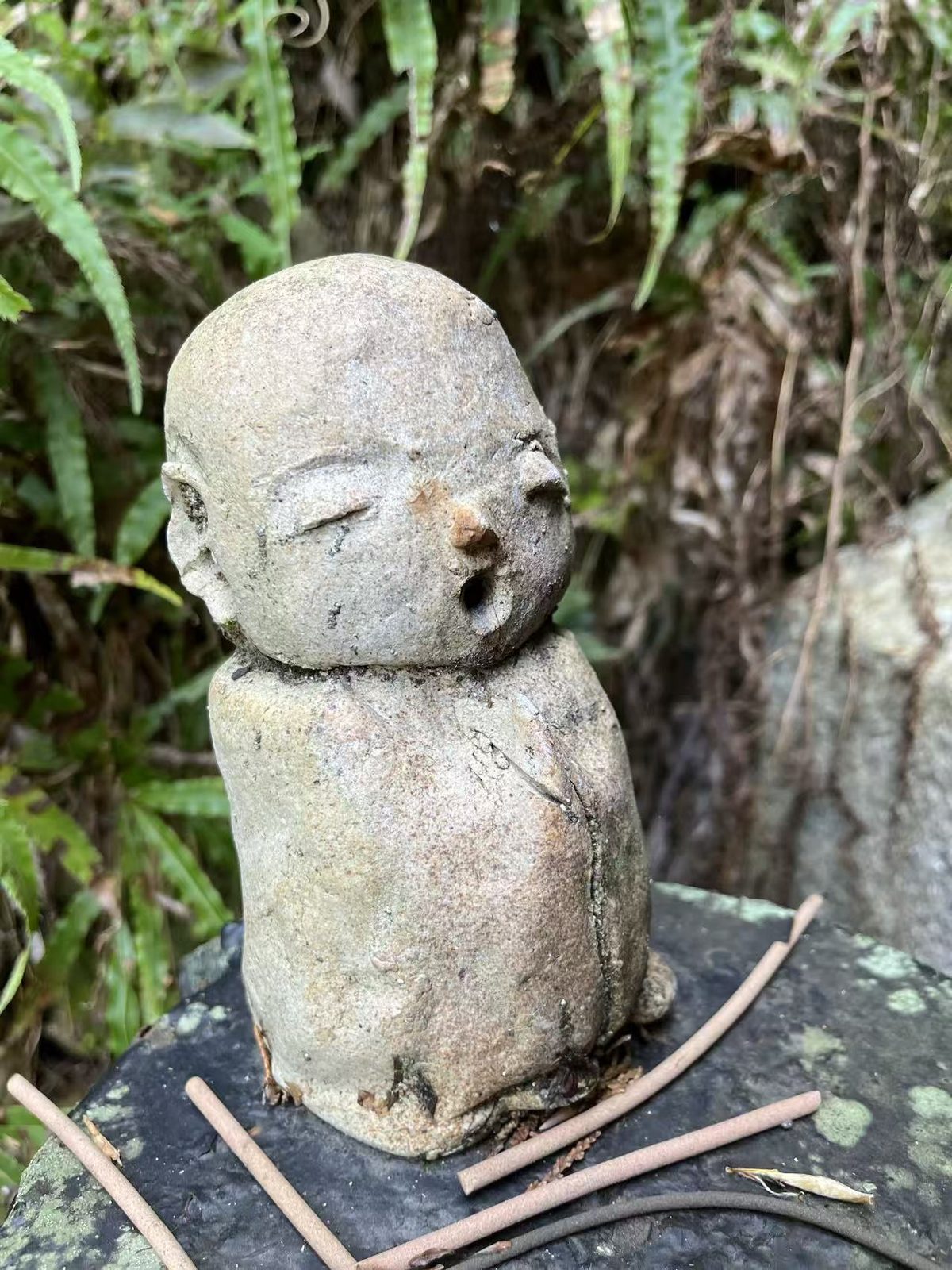
Small figures and shrines are still everywhere in the Japanese hills today. Plenty of older people still remember leaving offerings, hoping these embodiments of the mountain god would protect them.
4. The women of the mines
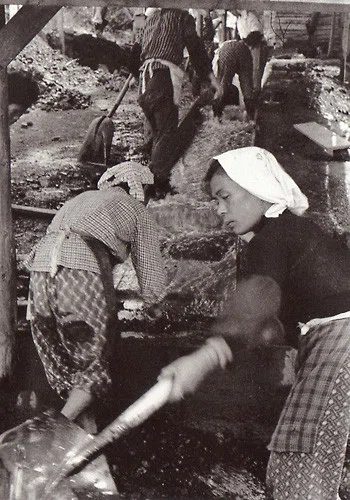
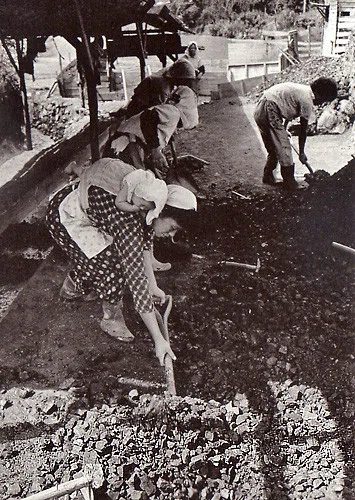
In the Chikuhō mines of the 1920s, women at one point made up 25 to 30 per cent of the workforce. Their working day frequently ran past twelve hours, and the loads they carried and hauled often exceeded 50 kilograms. To a modern reader the intensity is barely imaginable — and many of these women were working with children in tow.
5. Dangerous and punishing — and they were proud of it
The work was extremely hard and carried a constant risk of injury or death. And a great many of these women held strong self-respect and pride in it. Partly because the labour they carried really was enormous; partly because mine work, brutal as it was, paid comparatively well. For many ordinary working women of the time it was a dangerous job that nevertheless gave them standing.
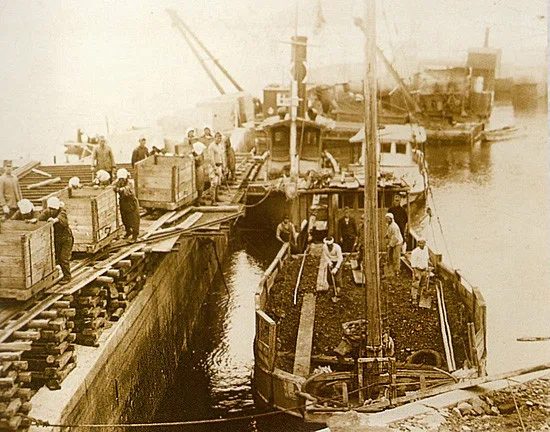
Ōhashi Hiroshi’s 1972 Seishun Gunkanjima records women weighing around 40 kilograms carrying pit props of 70 to 80 kilograms. They loaded coal into bamboo baskets, brought it out of the galleries piece by piece, transferred it to carts, and pushed those by hand to the quay for loading.
6. Later they were painted, written down, and kept
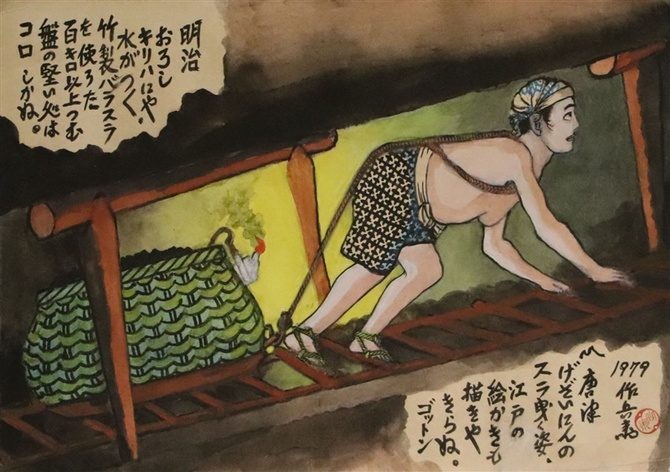
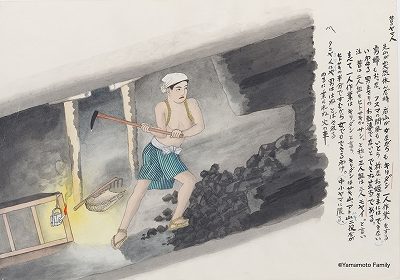
A good deal of material about Japan’s women miners survives. The self-taught painter Yamamoto Sakubei produced a large body of paintings and notes on pit life, recording the working conditions in the Chikuhō mines directly — including women hauling heavy loads stripped to the waist, crawling through narrow galleries, and living in the colliery settlements. His work was later inscribed on UNESCO’s Memory of the World Register.
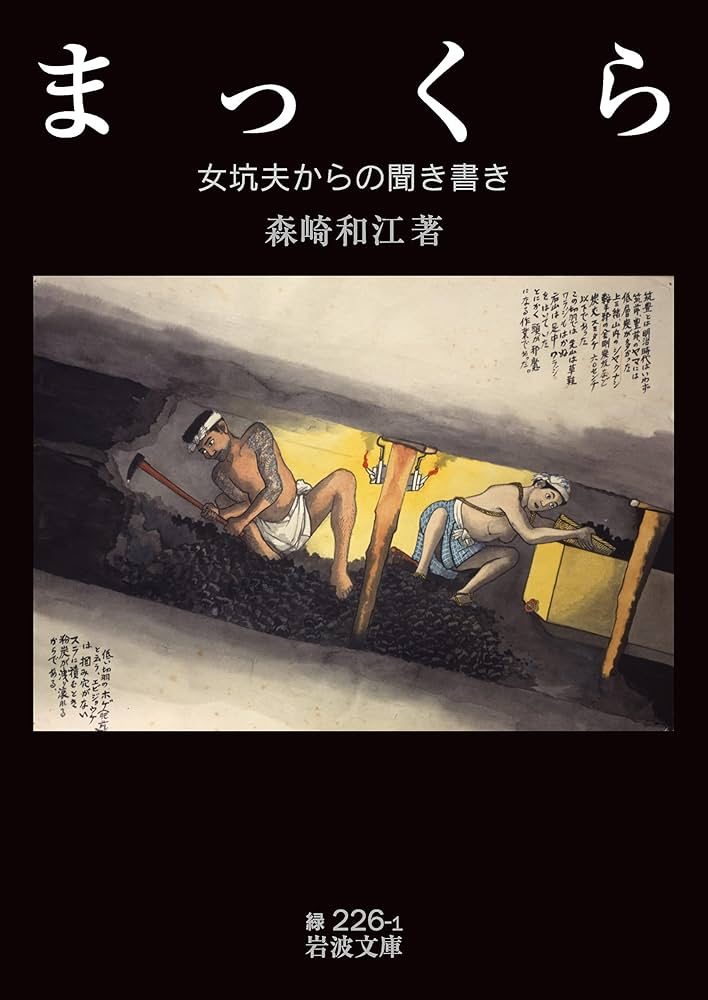
The writer Morisaki Kazue interviewed the last generation of women atoyama in Fukuoka and collected their testimony into the book Makkura: Onna Kōfu kara no Kikigaki. The interviews date from around 1960, and record women describing pit life in their own words — and how they viewed their labour, their bodies, their circumstances and their times.
7. A protection, and the pride it took away
The book notes that in 1933 Japan issued revised regulations on the employment of miners, barring women and anyone under sixteen from working underground. The scene is familiar — something very like it appears in our pieces on women miners in other countries.
On the face of it the rule protects women. Seen from where those women actually stood, it also meant losing a major source of work and income.
Women who had been proud of their labour were left holding only the loss of the occupation itself.
Background to the fiction
This note is research for the original novel Bread and Roses, set in the South Wales coalfield in 1910. The Chinese original of this article is at 她们曾在矿井最深处工作.