Cowboys Who Were Women: Western Legends That Were Real
Westerns cast women as the supporting character waiting to be rescued. In the real West, women lived and worked as men. The true stories of Charley Parkhurst, Little Jo Monaghan and Calamity Jane.
In the standard Western, women get two roles: the rancher’s daughter waiting to be rescued, or the dance-hall girl. The actual nineteenth-century American West was coarser than the films, more accommodating, and considerably stranger. In a place desperately short of labour, where what counted was whether you could do the work, a number of women cut off their pasts, put on men’s clothes, took up a gun and a whip, and lived remarkable lives as men.
Here are three of the clearest cases. Their stories make the same point: in that period, courage had no sex.
1. Charley Parkhurst (1812–1879)
He was the king of the stagecoach on the western plains, and may have been the first woman in American history to vote.
If any job in the nineteenth-century West was the most dangerous and the most physically punishing, driving a stagecoach is a strong candidate. You handled six hard-mouthed horses at speed along cliff roads while watching for bandits.
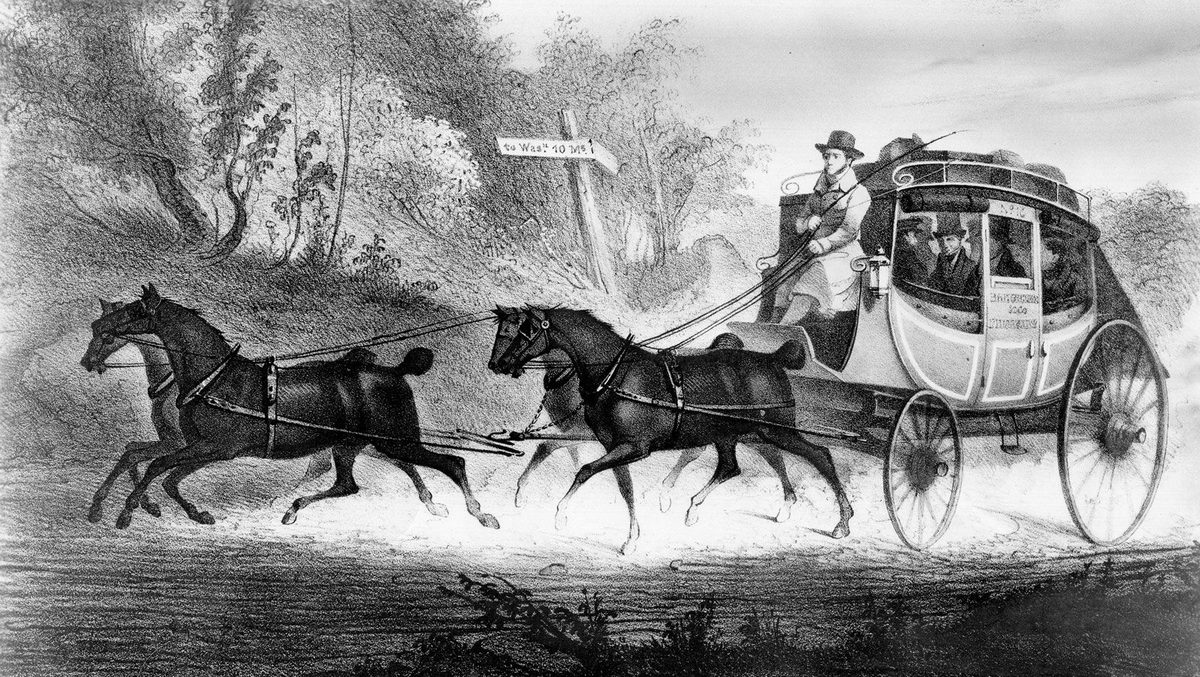
In 1850s California, one of the best-known drivers was One-Eyed Charley.
Charley Parkhurst looked exactly like the classic Western tough: short and thickset, hot-tempered, a habitual tobacco chewer, blind in one eye after being kicked by a horse and working on behind an eye patch.
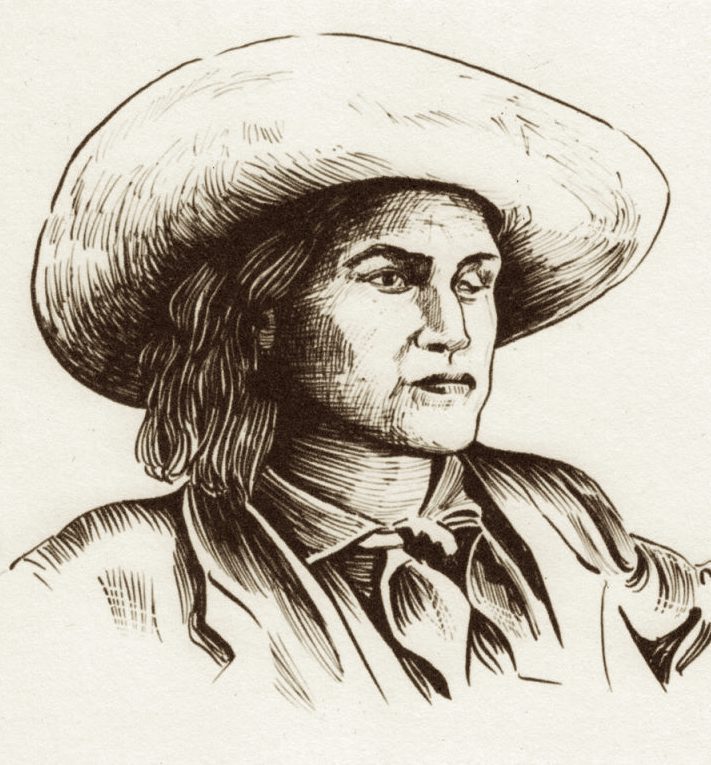
Charley came west during the gold rush, became famous for exceptional driving, and was one of the very few to last decades in that dangerous trade. The best-known episode is beating the most notorious highwayman in the Rockies, Sugarfoot, and his gang. Charley later bought a ranch outside Soquel, California, and died there on 29 December 1879.
Only at death did anyone discover that he was a woman.
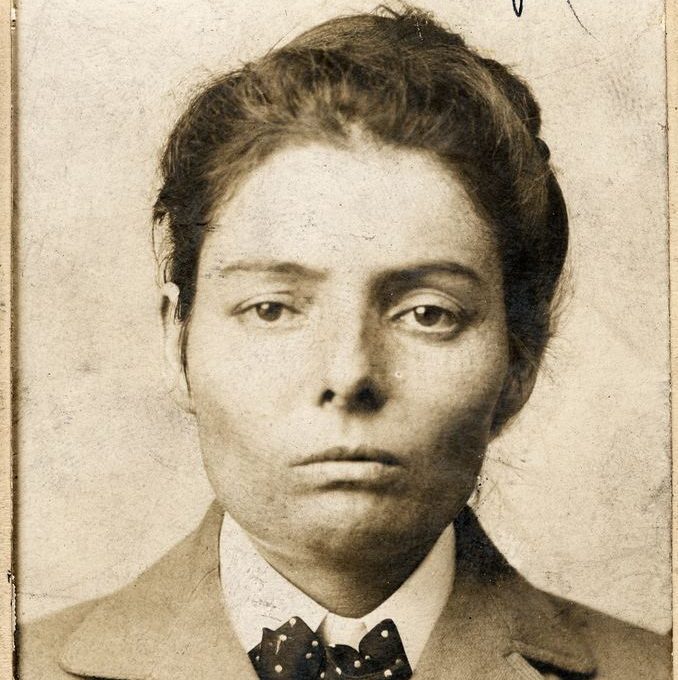
A historic vote. In 1868 Charley voted in the presidential election. Historians consider this very likely the first successful vote cast by a woman in American history — American women would not formally win the franchise for another fifty-two years, in 1920.
Discovered after death. Charley died in 1879 of cancer of the tongue, caused by years of chewing tobacco. Neighbours preparing the body were astonished to find that this hard man was a woman, and had borne a child. The news went round the West; people could not accept that the driver who had shot a bandit dead was a woman.
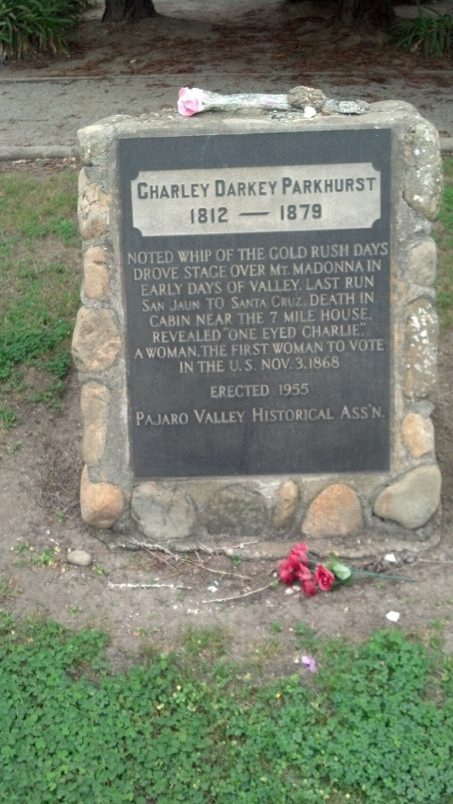
Charley Parkhurst’s headstone, California.
2. Little Jo Monaghan (1856–1904)
He was an Idaho cowboy who kept a false name his whole life, for a child’s sake.
Where Charley was combustible, Little Jo represents a quieter kind of survival. In Owyhee County, Idaho, people remembered Jo as small, mild and somewhat shy.
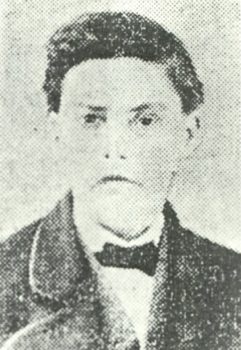
A cowboy who was not tough. At around five feet, Jo could not overpower a difficult horse the way a big man could — but understood horses, and got compliance by gentler and more skilful means. Jo became known for breaking horses and caring for stock, lived alone on a remote spread, never quarrelled with anyone, and kept to himself.
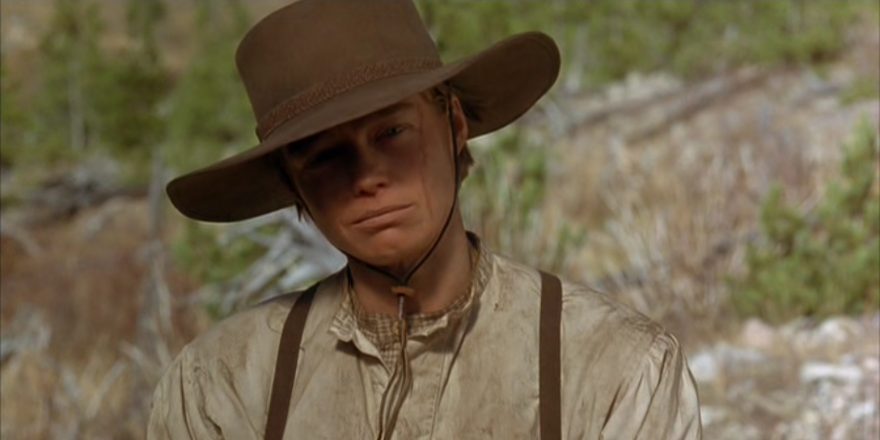
Suzy Amis as Little Jo in the film The Ballad of Little Jo.
Nearly forty years. Jo lived as a man for close to four decades, voted in the 1880 Republican primary, and served repeatedly on juries — all public functions barred to women at the time.
The truth, and the reason. Jo died of pneumonia in 1904, and only then was found to be a woman. Going through the effects, people pieced together the motive: Jo’s original name was probably Johanna, an unmarried mother from the East. Under Victorian morality, bearing a child outside marriage was close to social death. Coming west and becoming Little Jo was very likely a way to escape the disgrace — and to support a fostered child from a distance, on a man’s wages.
3. Calamity Jane (1852–1903)
She was a figure who lived on the border of gender and became a symbol of the West.
Unlike the first two, who concealed themselves completely, the celebrated Calamity Jane — born Martha Jane Cannary — is a more complicated case. She was a genuine woman of the range who often wore men’s clothes and never particularly tried to hide being a woman. She was closer to a demonstration: that a woman could live like this out here.
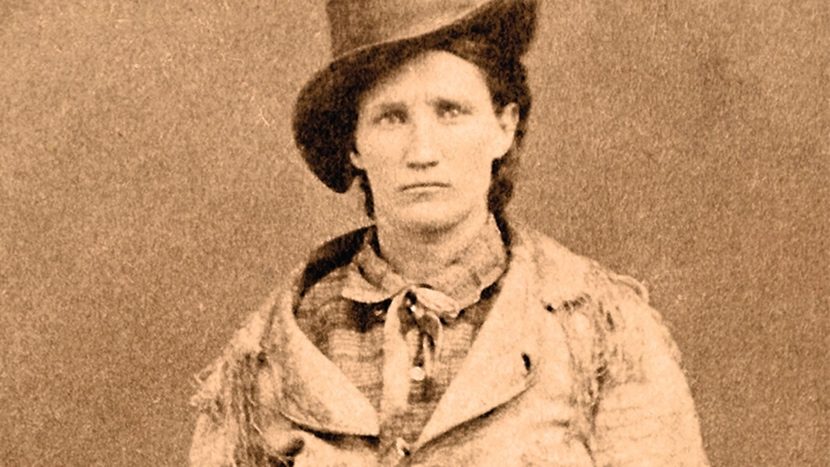
Surviving past the category. Jane was a well-known scout and marksman, and a heavy drinker. She wore buckskins, rode astride rather than sidesaddle as women were expected to, drank like a man and swore like one. She was not trying to become a man; she was after the same freedom of movement in a world men ran.
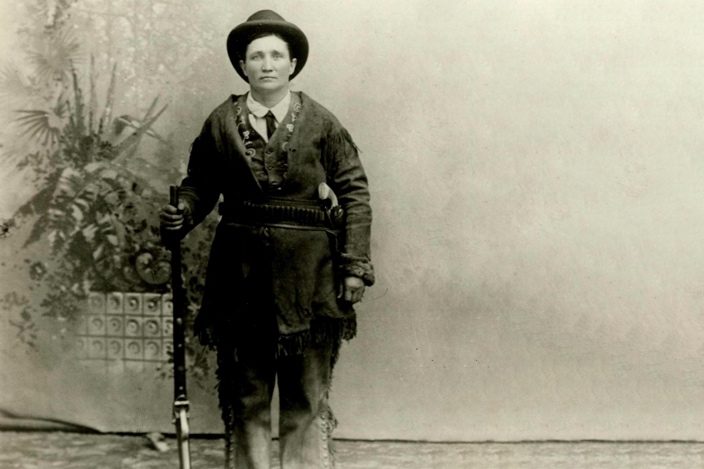
Invention and fact. A great deal was said about her — that she was Wild Bill Hickok’s lover, that she had distinguished herself in the Indian wars. Historians treat much of it as fabrication. One thing is solid: she did serve as an army scout, and she did survive alone in a brutal environment.
The toughness people forget. Under the rough exterior was a startling tenderness. When smallpox broke out in Deadwood in 1878, hard men fled in fear; Calamity Jane stayed. She acted as a nurse and cared day and night for the dying who had been abandoned. The drunk sharpshooter from the saloon turned out, in an epidemic, to have remarkable mercy and nerve.
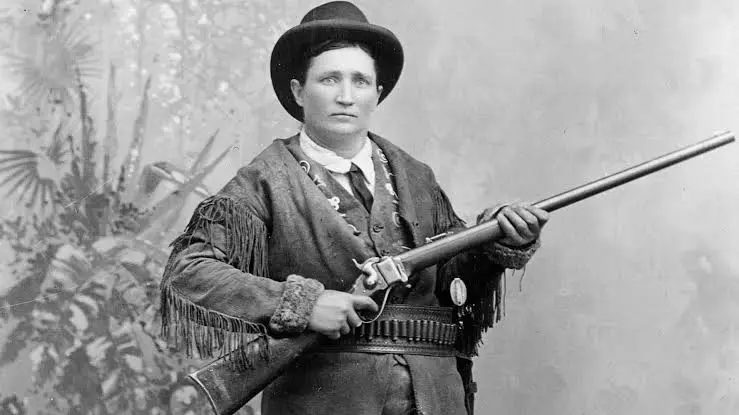
Jane’s life was later adapted into the musical Calamity Jane and several films of the same name.
Afterword
The nineteenth-century American West, that period of wild imagination, also contained women who used considerable imagination of their own against unfairness and constraint. Charley Parkhurst took the secret to the grave and bought a lifetime of professional respect with it. Little Jo Monaghan used a disguise to buy peace and to protect a child. Calamity Jane used something close to performance, and broke open what people thought a woman was supposed to do.
They are more than footnotes to the history of the West. They are the most vivid reading available of what freedom meant in that period.
Background to the fiction
This note is research for the original novel Western Story. The Chinese original of this article is at 女扮男装的牛仔.