The Bluestockings: The Eighteenth-Century Englishwomen Who Took a Great Many Firsts
The Bluestocking circle and the women intellectuals of eighteenth-century Britain: Elizabeth Montagu, Elizabeth Carter, Hester Chapone, Catharine Macaulay, Caroline Herschel and Mary Wollstonecraft — and the long list of firsts they took.
In 1750s Britain it was widely believed that serious learning damaged a woman’s brain. Against that background, a group of well-educated women set up an intellectual salon devoted to literature, science and philosophy. Black silk stockings were the aristocratic standard of the day, and cheap blue worsted ones marked you as outside it — so they were mocked as bluestockings, unruly and cheap. They took the name for their circle and kept it. What is worth noticing is that this set of supposedly unruly women ended up collecting an extraordinary number of firsts. A later generation painted them as the nine living muses.
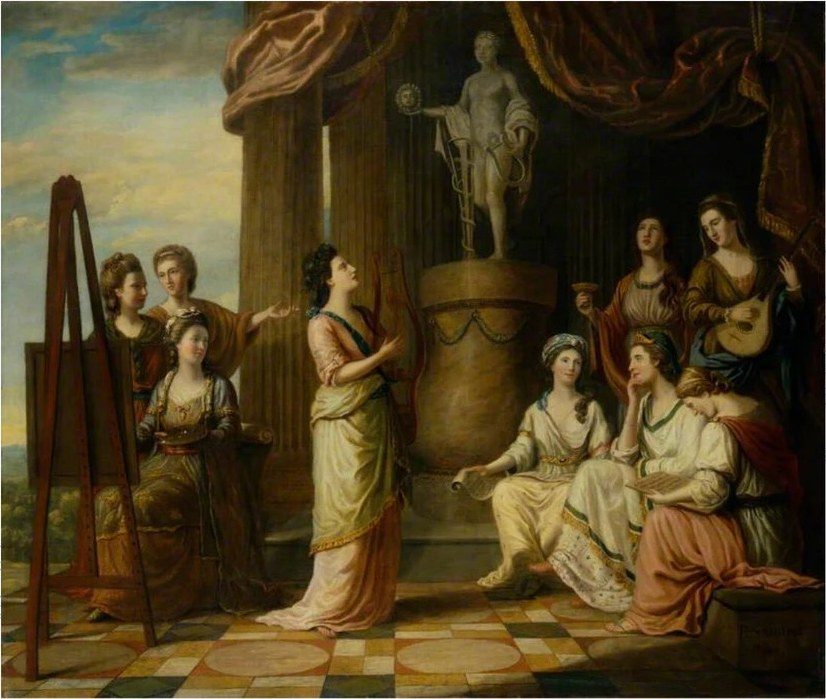
A note on scope: bluestocking here is not restricted to the core members of the Bluestocking circle. It is used in the broader sense, for educated women of the period who took part in public intellectual life.
1. Elizabeth Montagu — the Queen of the Blues, who opened fire on Voltaire
The animating figure of the circle was Elizabeth Montagu, a woman of very considerable social standing and wealth. When Voltaire publicly mocked Shakespeare and set off an earthquake in English letters, a great many people chose to keep quiet, because it was Voltaire. Montagu did not care about that kind of reputation. In 1769 she simply published An Essay on the Writings and Genius of Shakespear and took him on in the open. The counter-attack was enough to make even the notoriously hard-to-please Samuel Johnson look at her differently.
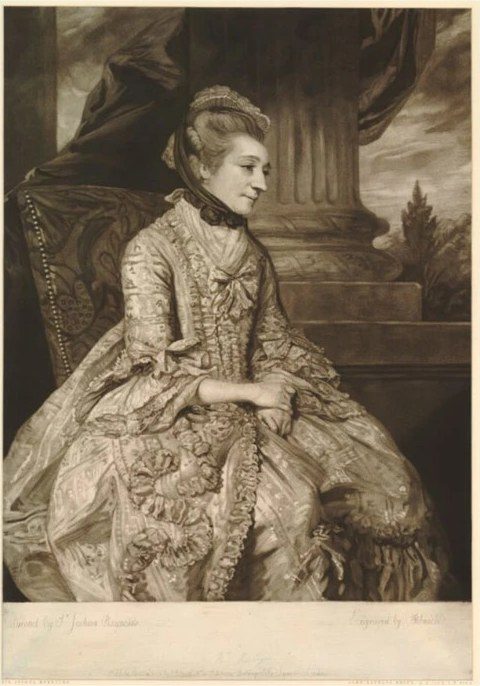
2. Elizabeth Carter — the scholarship that destroyed the reading-damages-the-brain myth
The period carried an absurd prejudice: that a woman who read serious philosophy or learned ancient Greek would injure her mind. Out of exactly that climate came the brilliant translator Elizabeth Carter. She commanded more than eight languages — Latin, Greek, Hebrew, French, Italian, Spanish, German, Portuguese — and produced single-handedly the first complete English translation of the Stoic philosopher Epictetus. The work was highly regarded among classicists, went through three editions, and brought her a net profit of around £1,000. Reputation and money both.
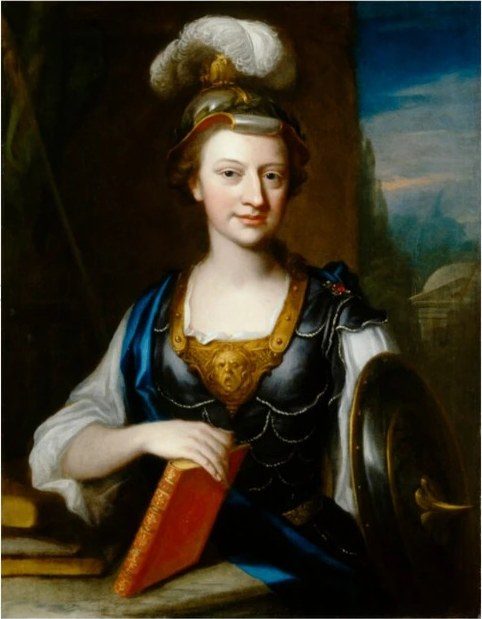
3. Hester Chapone — a foundation for modern women’s education
Ask in the eighteenth or nineteenth century why a woman should be educated, and the usual answer was: to improve her position on the marriage market. Hester Chapone gave a different answer. In Letters on the Improvement of the Mind (1773) she argued something genuinely subversive — that women study history, logic and the classics not to please anyone, but to build an independent capacity for rational judgement. The seed she planted did a great deal for the women of her own time, fed directly into the later establishment of women’s education, and influenced the feminist pioneer Mary Wollstonecraft.
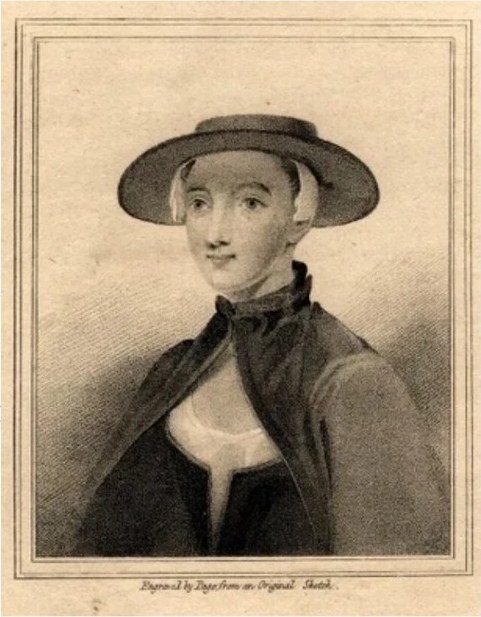
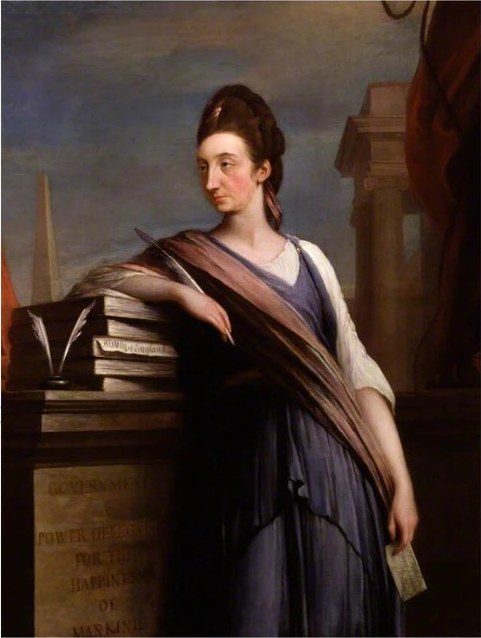
4. Catharine Macaulay — the first woman to write history
For a very long stretch of the past, recording and interpreting history was assumed to be men’s work and men’s prerogative — until Catharine Macaulay sat down and wrote her vast History of England from the Accession of James I to that of the Brunswick Line. She was not only the first Englishwoman to publish a work of history; she was the only woman historian anywhere in Europe, and arguably in the world, to publish a historical monograph in her own lifetime. Perhaps because she had spent so long inside history, she saw sharply that education is among the most powerful forces shaping a society, and that since men and women hold the same natural rights they should receive the same education.
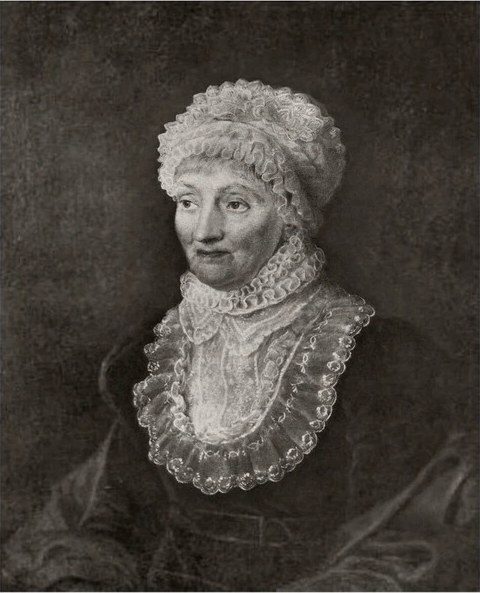
5. Caroline Herschel — the woman who chased comets
In an age that held women’s brains too small for higher mathematics, she became one of the great astronomers. She began as assistant to her brother William Herschel, who discovered Uranus, and used her own spare hours to discover eight comets independently. The first of them, found on 1 August 1786 (35P/Herschel–Rigollet), was the first comet ever discovered by a woman. She was the first woman scientist in history to be paid a salary by a government — the British crown — and the first woman awarded the Gold Medal of the Royal Astronomical Society.
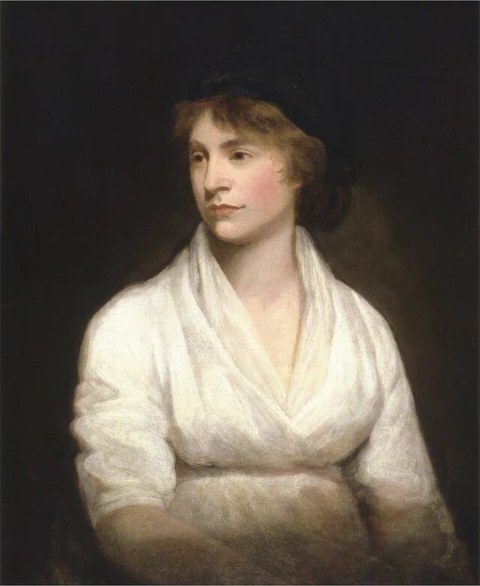
6. Mary Wollstonecraft — the vindicator
She detested a society that treated women as playthings, or as dolls fit only for conversation, and argued that women were not naturally lesser — they only appeared mediocre because they had been denied education. Her own life was thoroughly insubordinate, ignoring the rules for women entirely, and in 1792 she wrote the enduring A Vindication of the Rights of Woman.
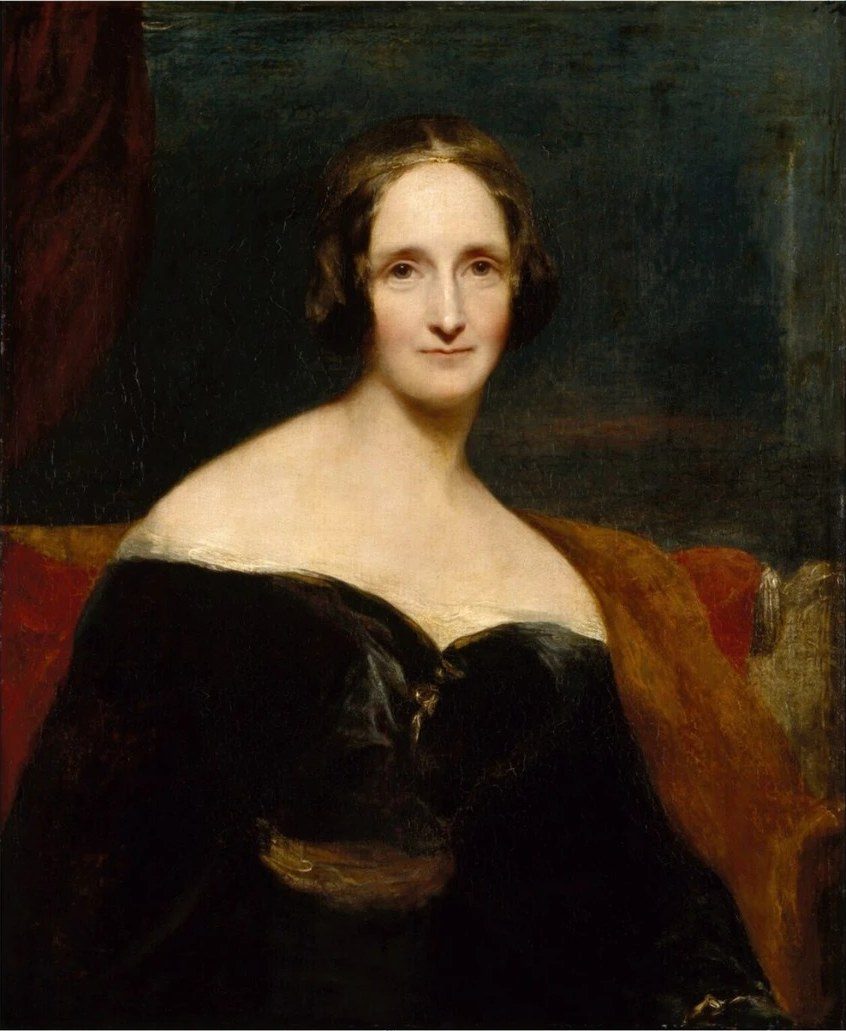
Many people may not recognise the name. She was the mother of Mary Shelley — author of Frankenstein, the first science fiction novel and the reason Shelley is called the mother of the genre. Two firsts between mother and daughter.
7. What they left behind
Our own protagonist was written partly with these women in mind, and particularly with women like Hester Chapone and Catharine Macaulay, who tried to change conditions at the bottom of society through education. Gathering the research, what struck us was how many remarkable women that period produced — how hard they burned, how much they permanently changed — and how much of it we have since managed to forget.
This note covers six of them. There are many, many more. If history is a stage, then even where the light was withheld from them, once the dust settles they should not be the ones left out. History wrote them in as footnotes; we would rather use a story to pull them back to the centre.
Image credits
All illustrations here are public-domain historical paintings and engravings: The Nine Living Muses of Great Britain (Richard Samuel, 1778, National Portrait Gallery), and portraits of Elizabeth Montagu, Elizabeth Carter, Hester Chapone, Catharine Macaulay, Caroline Herschel, Mary Wollstonecraft and Mary Shelley from eighteenth- and nineteenth-century paintings and engravings.
Background to the fiction
This note is research for the original novel Bread and Roses, set in the South Wales coalfield in 1910 — a pit disaster, a strike, and the labour, class and friendship between the women of the coalfield. The Chinese original of this article is at 蓝袜女.