Diamonds in the Rough: The All-Women Mine Rescue Team That Took Second in the World
At the 2022 International Mines Rescue Competition, the Canadian all-women team Diamonds in the Rough placed second in the world. Mining spent a century legally excluding women from underground. They proved by technique that women do not need protecting — they can do the protecting.
Mining is among the most ambitious things people do — going hundreds of metres into the ground to take gold, silver, copper, iron, coal, and the rare earths and tungsten that twenty-first-century technology runs on. Every leap human society has made rests on that hard foundation. And for most of the history of mining, half of humanity was explicitly forbidden to enter that underground world, on the grounds of protecting women and children. In 2022, an all-women mine rescue team proved something to the world: they do not need protecting. They can do the protecting.
1. An industry women were legislated out of
In 1842 Britain’s Mines Act removed women and children from underground work entirely. In 1935 the International Labour Organization adopted Convention No. 45, prohibiting women from underground work in mines worldwide. Passed in the name of protecting women and children, it cut both ways.
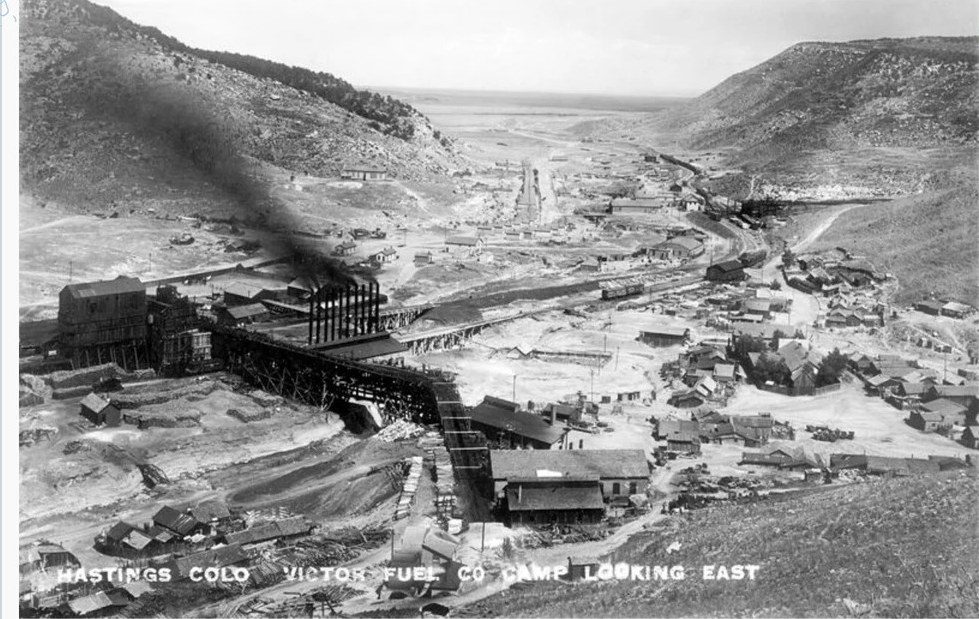
In an era of frequent disasters and minimal safety equipment, the ban did keep women away from lethal danger below ground. But when a disaster happened, countless women living in mining communities were not even eligible to go down and help. Much of the time all they could do was wait, in despair, for news that their family was dead.
Only in the second half of the twentieth century did countries begin repealing these old prohibitions, and women could legally put on a hard hat and go into a mine. And then they met another threshold: raw strength.
2. The strength threshold
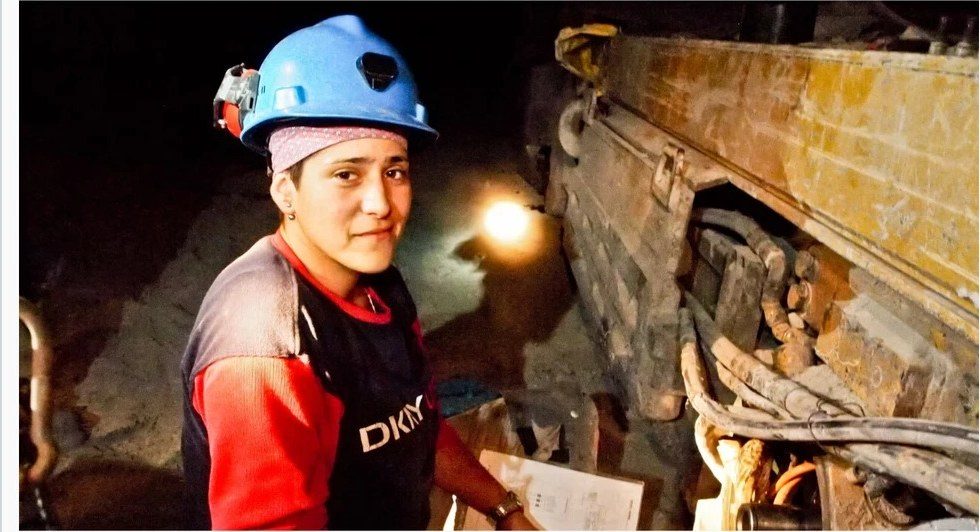
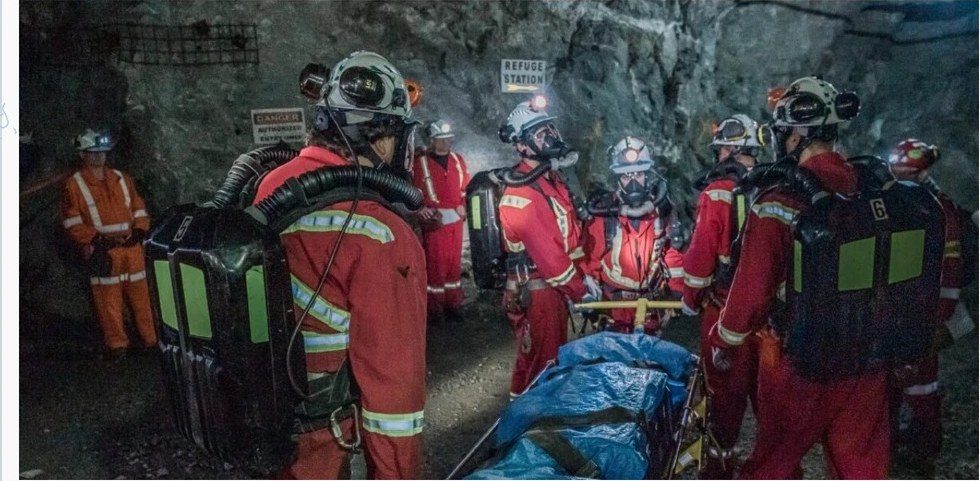
In most countries, even with the law open, becoming a top-level mine rescue member remained extraordinarily hard for a woman. A rescue member carries nearly 20 kilograms of closed-circuit breathing apparatus plus heavy cutting equipment, and has to drag an unconscious casualty bodily out of a cramped collapse zone that is oxygen-poor, extremely hot, and liable to come down a second time.
Conventional wisdom in the industry held that this level of physical output required absolute strength as its base, and so women were rarely the first choice. Until they turned up.
3. Diamonds in the Rough
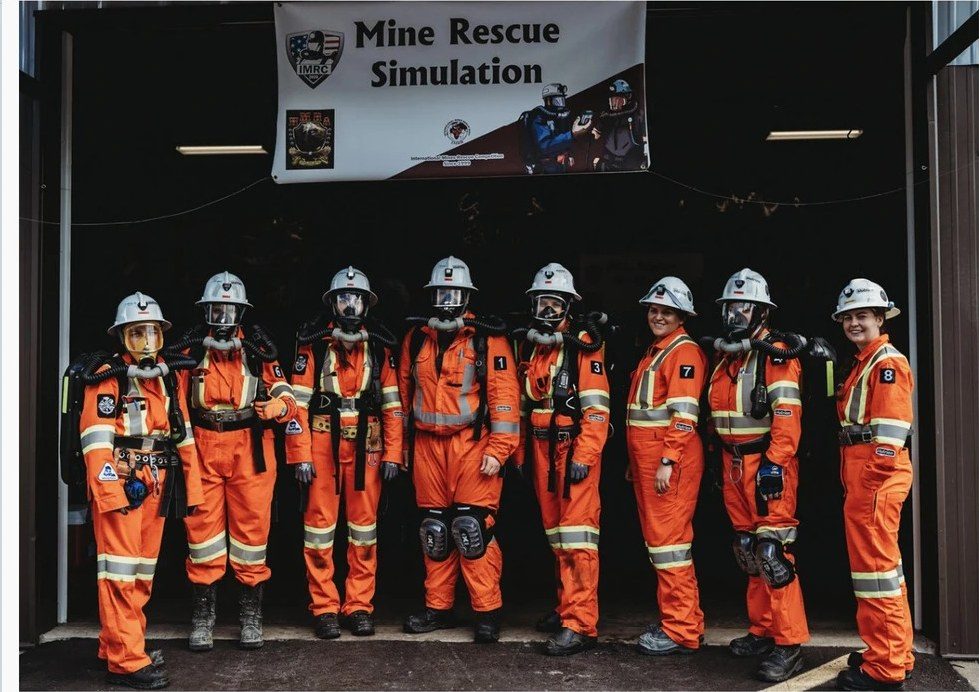
In 2022 the International Mines Rescue Competition was held in West Virginia. At what is often called the Olympics of mine rescue, a Canadian team appeared under the name Diamonds in the Rough. On technique, theory and practical execution they placed second in the world — and they were the only all-women team in the competition. It was the first time an all-women mine rescue team entered the world’s field of view.
4. How the team started
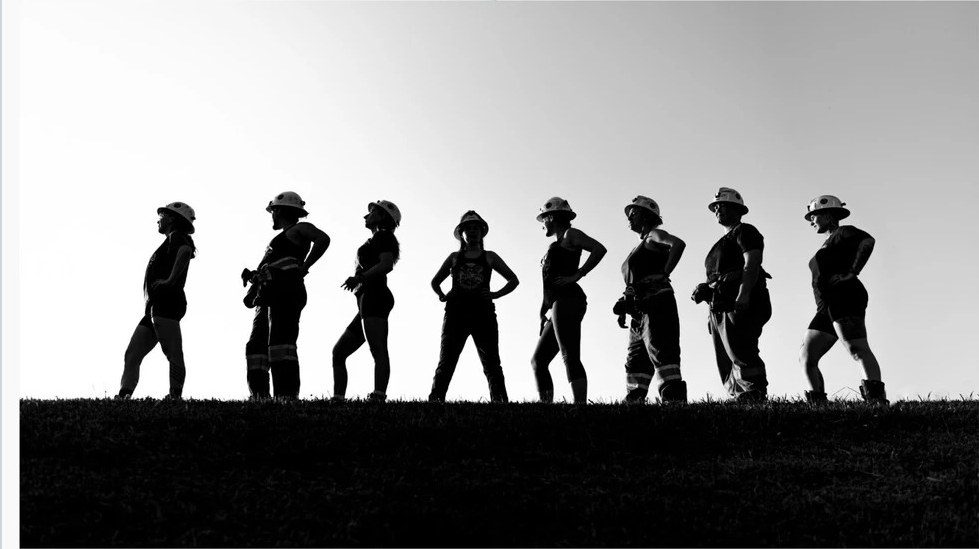
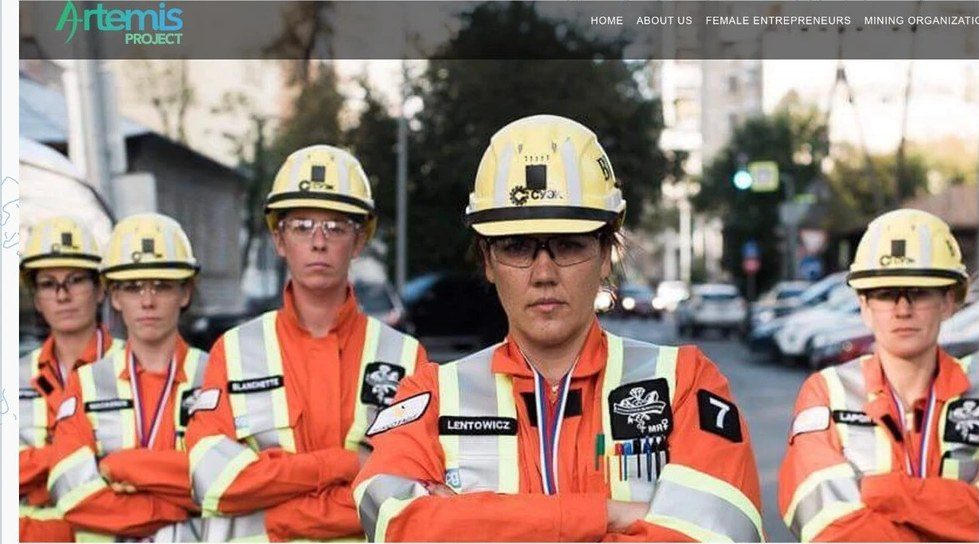
Women can now join mine rescue work, and still get asked whether they can carry it. In 2016, the mine rescue specialist Kari Lentowicz attended the international competition, saw almost no women on the heavy rescue teams, and had a thought: why not gather the women already working in this industry into a team, and compete against them? Diamonds in the Rough came out of that.

5. Second in the world, first time out
“This is a competition. There is no ladies’ allowance here.”
The 2022 competition brought together twenty-two of the best mine rescue teams in the world, from the United States, Australia, Poland and elsewhere. There were no concessions for sex, only the speed of life and death in a hole in the ground. In the rope rescue event, the sternest test of physical capacity and spatial sense, the team had to rig pulley systems in an extremely complex vertical space and bring heavy equipment and a casualty safely to the surface. Against the top teams in the field, they not only came through but took second in rope rescue and third in theory and technique.
6. Not brute force — rescue run by the brain
“Work smarter, not harder.”
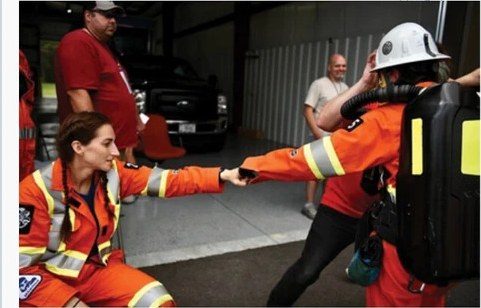
The principal reason women were kept out of heavy industry and rescue work for so long was the gap in absolute strength. The Diamonds rebuilt the underlying logic of modern mine rescue in practice: faced with an obstruction or a casualty weighing hundreds of kilograms, they do not haul against it, they calculate the load points precisely and rig mechanical advantage. Down a deep shaft they proved that with leverage, rope and technique as your fulcrum, a woman can move weights previously assumed impossible.
7. What else they won: the next generation
“To be trusted, we have to be 110 per cent perfect.”
In an extreme heavy industry with very few women in it, earning trust is difficult. The Diamonds changed a good deal of that. After the competition, miners who had been sceptical went home and started using the team’s story to encourage their own daughters — look, women really can do anything, they came second in the world.
8. The period is moving
Over time many countries withdrew from ILO Convention No. 45, and in 2024 the ILO moved to abrogate the 1935 convention altogether. Modern mining increasingly runs on standards: whether you can go underground depends on occupational safety, equipment specification and training. With adequate safety training and modern tools, mining is no longer the industry it was, and the door that was closed for a century is gradually opening to women.
Kari Lentowicz is also one of the organisers behind the Artemis Project, an initiative supporting women in mining with the aim of driving disruptive change in the industry economically, environmentally and socially, by connecting the women in it and building a better environment.
9. What the women of a century ago left the world
In our novel Bread and Roses, the women of the coalfield fight to be allowed underground to rescue people. That was a century ago. And then, seemingly in one turn, the nineteenth-century pit women fighting for a meal became a women’s rescue team in professional kit winning medals at an international competition in 2022.
It is worth noting that the Diamonds were Canada’s first women’s rescue team, that many of them do this alongside other work, and that some had only a few years of training. What they leave behind is not only better rescue technique and a few medals. It is a floodlight hung over a deep shaft — because of them, the high-paying, high-skill industries once treated as closed to women are now open to girls anywhere.
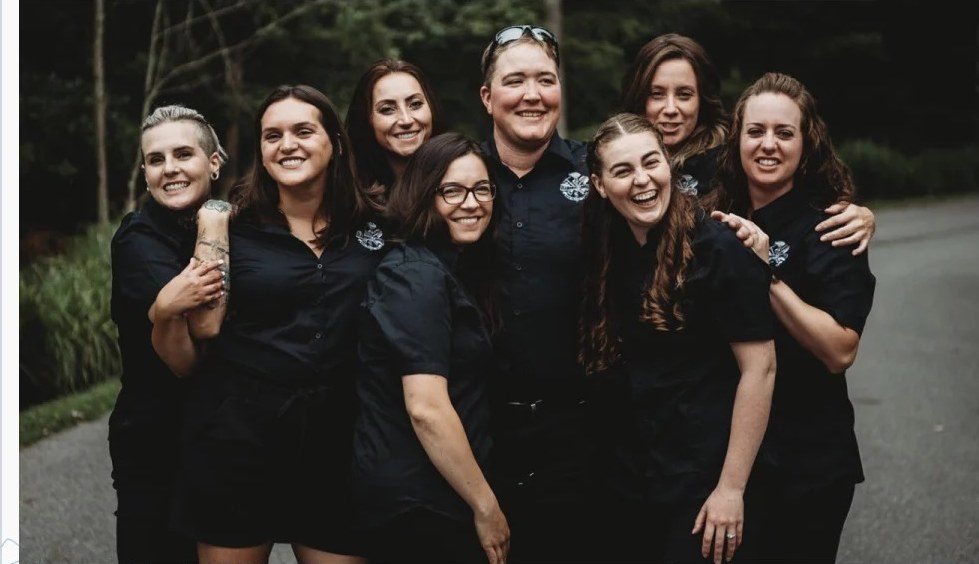
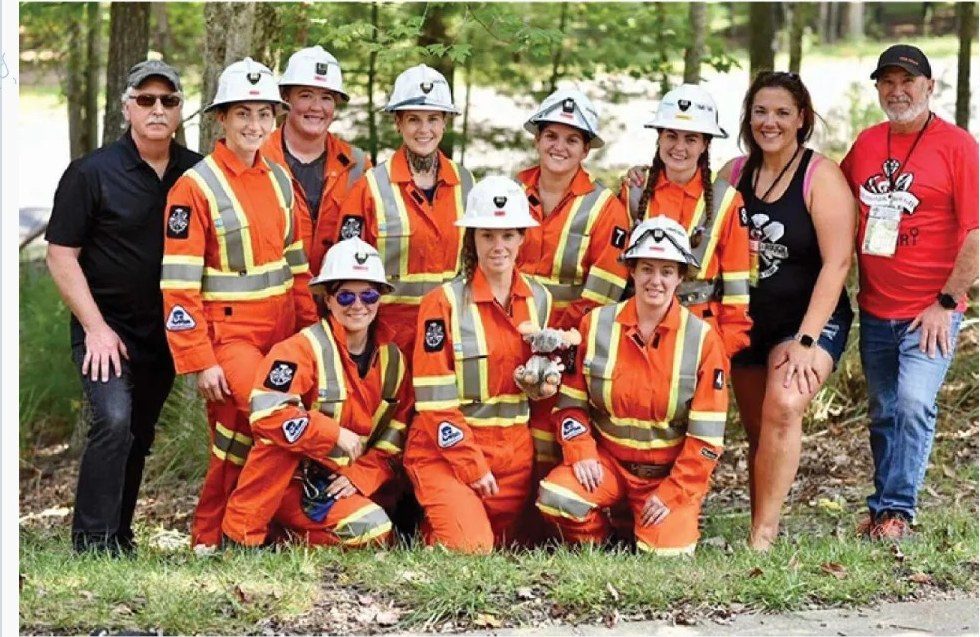
Image credits
Illustrations assembled from public material, principally:
- Silhouettes, banner group shots, exercise photographs and team portraits of Diamonds in the Rough, and the portrait of Kari Lentowicz, from public material released by the team and the Artemis Project — see the Diamonds in the Rough site and the Artemis Project. For the competition results, see North American Mining Magazine’s report on the 2022 IMRC.
- The Hastings, Colorado panorama is an early twentieth-century archive photograph.
- The underground woman miner and the red-kit rescue exercise photographs are gathered from public reporting and documentary photography; specific photographers and original sources remain to be confirmed.
Background to the fiction
This note is research for the original novel Bread and Roses, set in the South Wales coalfield in 1910. The Chinese original of this article is at 全女性矿山救援队“璞玉”.