Male Impersonators on the Victorian Stage: Vesta Tilley, Bessie Bonehill and Hetty King
The male impersonators of the late nineteenth-century London music hall — Vesta Tilley, Bessie Bonehill, Hetty King — and, across the Atlantic, Ella Wesner, Florence Hines and Gowongo Mohawk.
Walk into a London music hall at the end of the nineteenth century and you might see this: the lights come up, a young gentleman strolls on in an immaculate suit, taps his cane on the boards, tips his hat brim down a fraction. He sings, moves with ease, throws the audience an occasional wink. Laughter and applause from the house. And then, at the curtain call, the audience realises that this gentleman is a woman.
British entertainment of the period had a term for it: male impersonator. The act was enormously popular in the music halls from the late nineteenth century into the early twentieth, and later crossed into American vaudeville. Among the most celebrated practitioners were Vesta Tilley, Bessie Bonehill and Hetty King.
1. Vesta Tilley: the gentleman taken to its limit
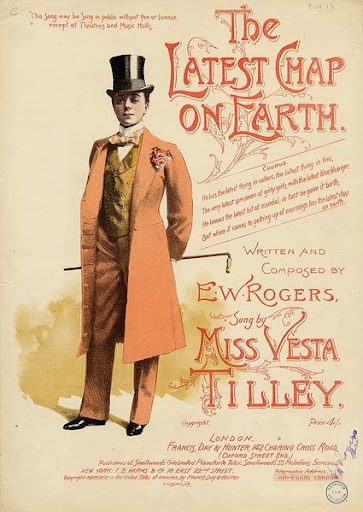
If you pick the single most famous male impersonator of the music hall era, almost every source lands on Vesta Tilley. Her stage persona was the young, elegant, faintly mischievous English gentleman: top hat, tails, cane, with details like fastening a cuff or shaking out a glove done entirely naturally. One contemporary notice said her gentleman was more of a gentleman than the real thing.
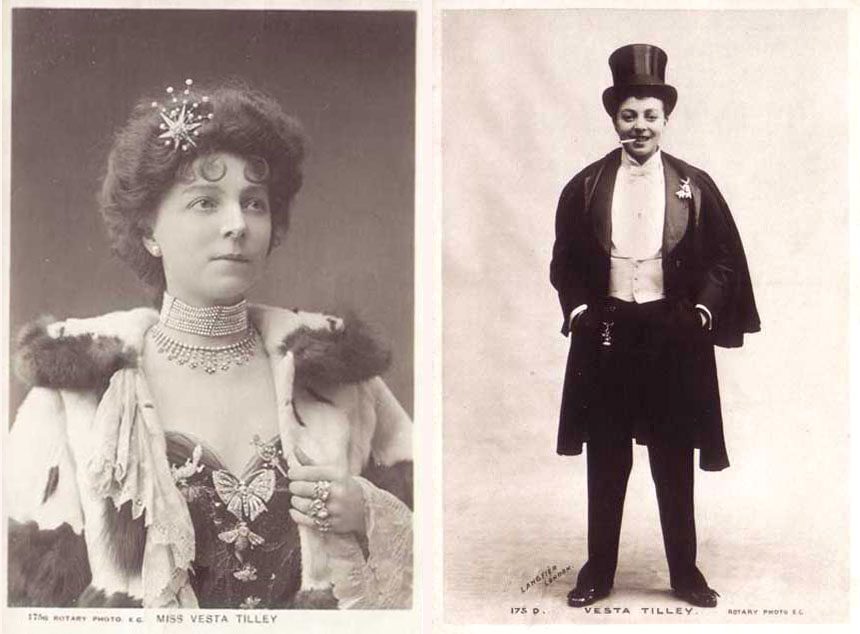
Tilley was on stage from childhood — her father was a music hall performer, and as a girl she frequently played boys’ parts. As an adult those roles became the most successful thing she did. One of her best-known turns was a send-up of the London society swell: correctly turned out and just a little vain and showy, so that the audience laughed and simultaneously recognised somebody they knew. It made her one of the highest-paid performers on the stage.
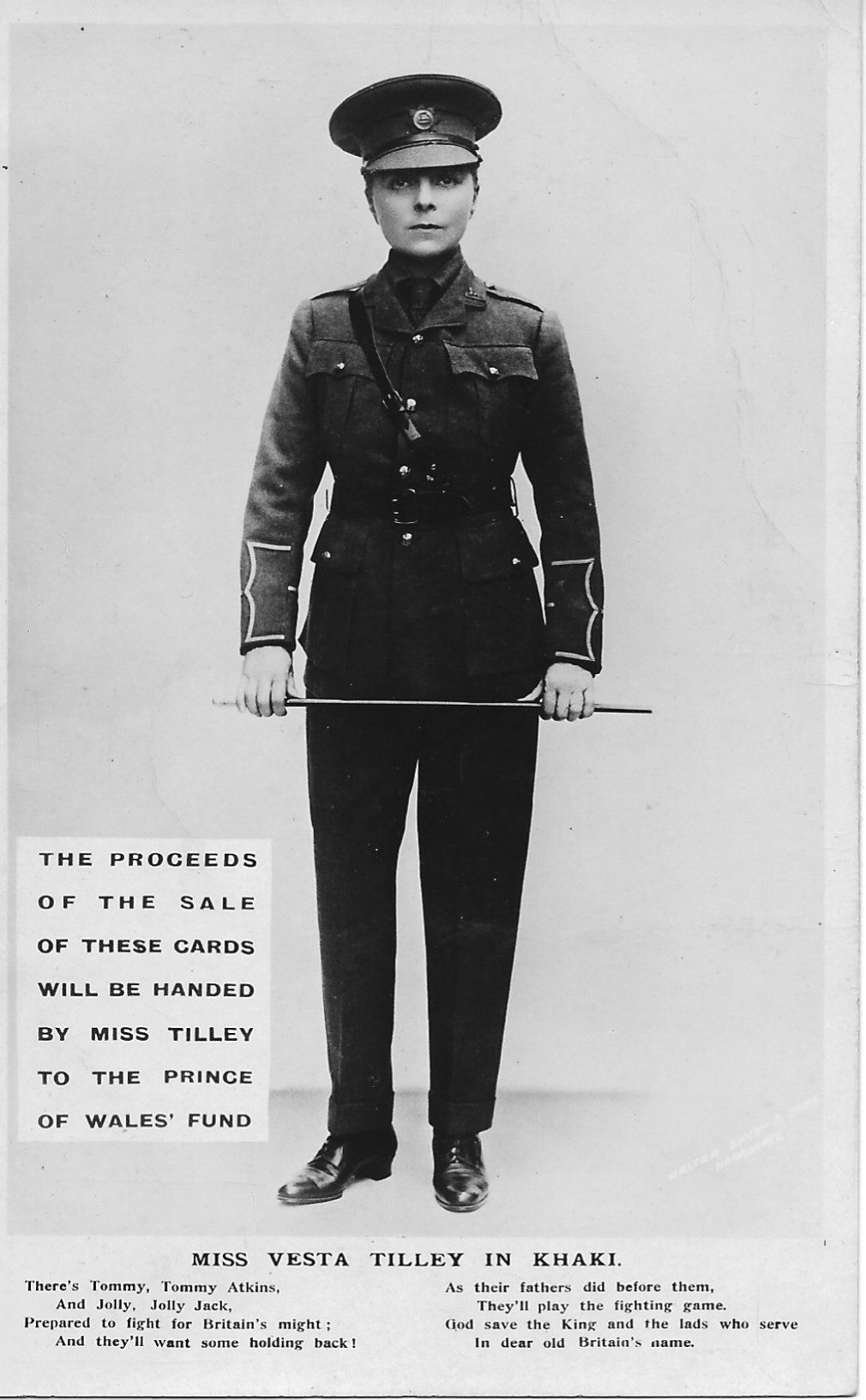
During the First World War Tilley turned the persona into a recruiting instrument, playing young soldiers on stage to push the audience to enlist, and became one of Britain’s most effective recruiters. What is interesting is that although she played men on stage throughout, she was in private life a fairly conventional family woman, and after marrying announced her retirement for a time.
2. Bessie Bonehill: bringing the street boy onto the stage
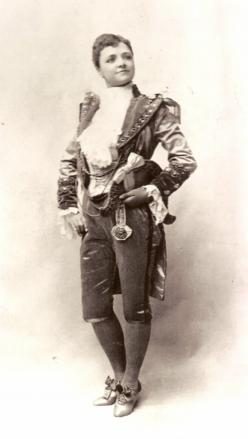
If Tilley’s persona was the gentleman, Bessie Bonehill’s was closer to the boy on the street. Her act was livelier and cheekier, she was good with brisk songs, and her characters were newsboys, shop lads, young men about town — quick, fast-talking, fond of a joke. Her songs often carried a little social satire, mocking people putting on respectability or needling everyday London life.
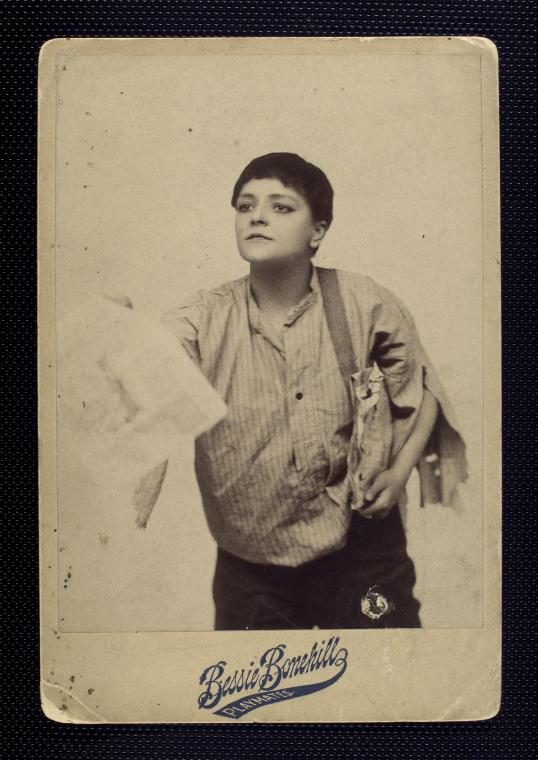
She toured the United States in the 1890s, when the American vaudeville circuit was only beginning and audiences were very curious about English music hall. She was among the first women performers to bring the English working-class boy onto the American vaudeville stage and make a success of it; American newspapers billed her as the famous English male impersonator. Her career was not as long as Tilley’s, but she remains an important figure in music hall history.
3. Hetty King: timing as an art form
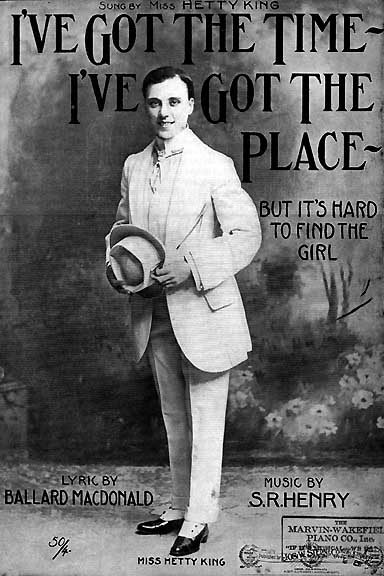
Hetty King belonged to a slightly later generation, and her style differed from the other two: more restrained, more exact. She usually played young gentlemen or officers, moved relatively little, and made every movement count on timing — the light tap of the cane, the lift of the hat, the slight turn of the shoulder as she swung round. Those details made the character read as entirely natural. A good deal of the commentary holds that her appeal was not imitation of men at all but a kind of command of the stage.
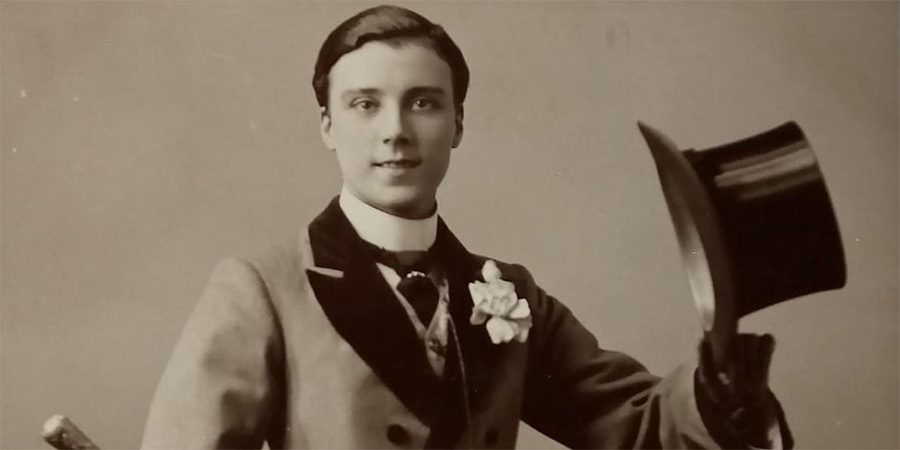
She later toured the United States and did well in vaudeville. Her stage career ran for around seventy years, and she fed into the androgynous styles of later popular performance.
4. Across the water: male impersonators on the American stage
The act was not exclusively British. On the other side of the Atlantic a number of performers pushed it onto wider stages, and into different ethnicities and identities.
Ella Wesner
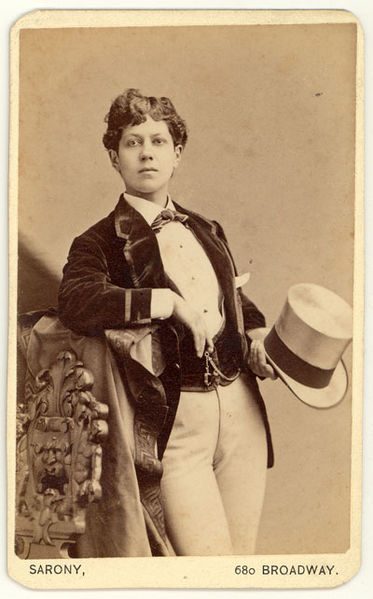
Ella Wesner was among the best-known American male impersonators of the nineteenth century. She appeared in well-cut tails, top hat and cane, playing the assured urban gentleman, and was one of the performers who established the act on the American stage.
Florence Hines
Florence Hines was the most celebrated Black male impersonator of the late nineteenth century. She toured the United States with Sam T. Jack’s Creole company in the 1890s, was billed as the queen of all male impersonators, and was called the Vesta Tilley of Black male impersonators. She did not play the stereotyped, ragged Black figure the stage of the period expected. She appeared in tails, cape and top hat with a cane, and presented the Black man as a modern, dignified urban gentleman — setting a benchmark for the Black actresses and blues singers who followed.
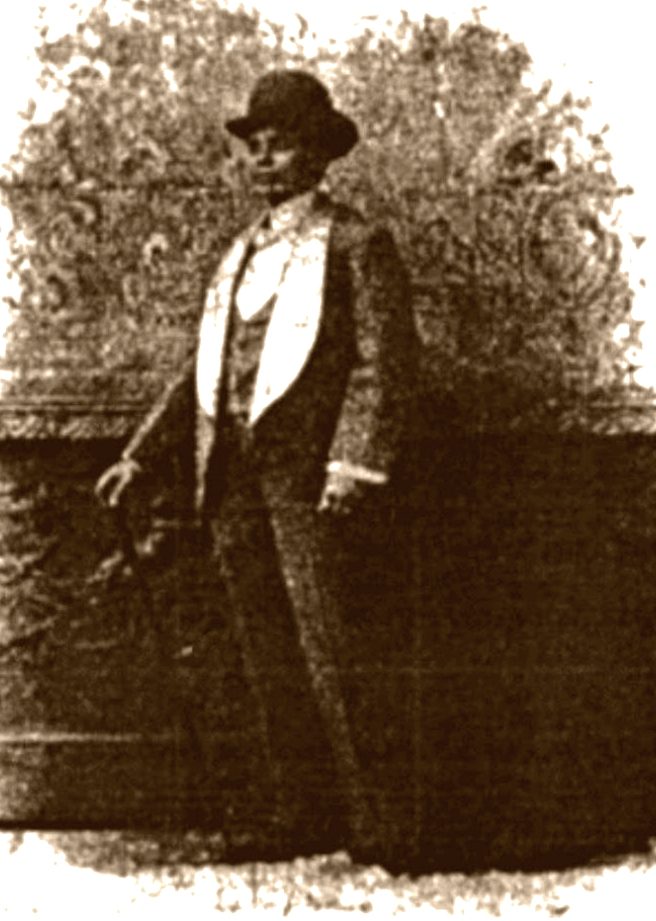
Gowongo Mohawk
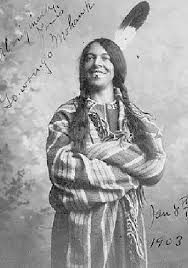
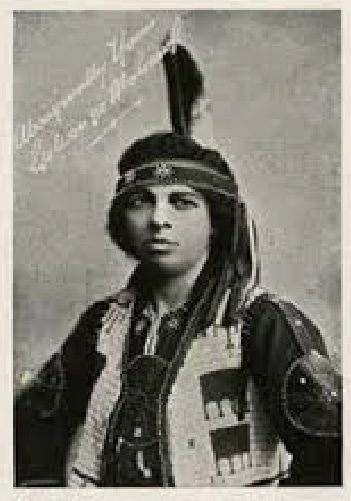
Gowongo Mohawk was a Seneca actress and playwright. Dissatisfied with the parts available to Indigenous women, she wrote her own play, starred in it, and cast herself as its male hero. Her Wep-Ton-No-Mah: The Indian Mail Carrier is considered the earliest known play written by a Native American, and she is regarded as the first Native American playwright and the first known Indigenous male impersonator. The production toured in the United States and Europe.
5. Why the act was popular
Today a woman in men’s clothes is unremarkable. In nineteenth-century Britain it was not. Victorian convention held that women wore skirts, and that trousers, top hats and suits were men’s dress. So a woman walking on stage in full men’s clothing produced a fresh theatrical shock.
But the reason the act worked was not transgression. It was skill. Male impersonators generally did not exaggerate men for mockery. On the contrary, they played the male figure entirely seriously — and it was the seriousness that made it enjoyable.
The late nineteenth-century British music hall was the centre of popular entertainment, offering comedy, songs, magic and impersonations of all kinds, and the male impersonator combined comedy, character work and singing in one. Many audiences collected performers’ photographs, wrote letters and followed tours. Historians have noticed something telling: a great many women in the audience were devoted to these performers, possibly for a simple reason — the gentleman on stage was both elegant and safe.
6. A curious piece of history
In nineteenth-century Britain women could not vote, could not enter many universities, and were excluded from many occupations — and could play men on stage, very successfully. History sometimes works like this: a change in social roles turns up first in theatres and stories, and only then works its way into life.
Image credits
The illustrations are public-domain historical photographs, postcards and sheet-music covers: stage portraits of Vesta Tilley, Bessie Bonehill, Hetty King, Ella Wesner, Florence Hines and Gowongo Mohawk, from print and studio photography of the late nineteenth and early twentieth centuries.
Background to the fiction
This note is research for the original novel Bread and Roses, set in the South Wales coalfield in 1910. The Chinese original of this article is at 维多利亚舞台上的男装丽人.