A Carnival Across the Line: Women of the Tang Dynasty
Chang'an in the eighth century — foreign dress, horses and polo: how Tang women crossed the boundaries of gender in the most open period the empire had.
Eighth-century Chang’an was not only the political centre of the empire but a cultural crucible for the whole of Eurasia. As the Silk Road reached an unprecedented peak, a great wave of hufeng — ways of living and of looking, arriving from Central Asia, West Asia and further still — swept across the central plains.
For Tang women this foreign wind brought more than novel spices and curiosities. It worked like an unexpected key, opening a door onto a wider world. In this carnival across the boundaries of gender and of space, Tang women put on foreign dress, got onto horses, and sang.
1. Foreign dress and men’s clothes: freedom of movement
Long robes and wide sleeves were handsome in the Tang, and genuinely inconvenient. When Central Asians came down the Silk Road, Tang women noticed at once that their clothing was both practical and sharp. Persian brocade robes with turned-down collars, narrow sleeves and a fitted waist, worn with close-cut trousers and soft pointed boots, became the most forward thing on the streets of Chang’an.
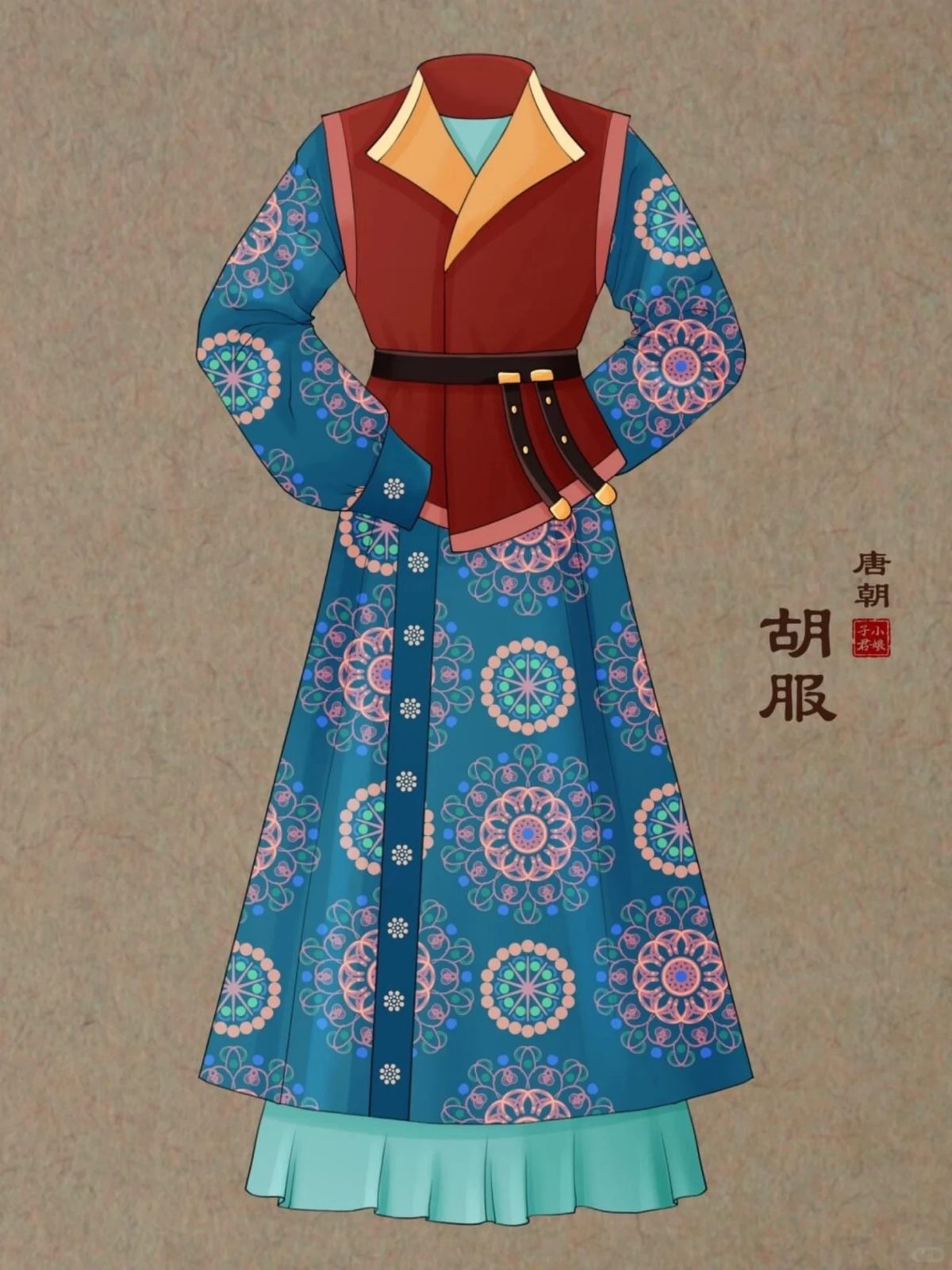
The Tang figurines excavated at Xi’an and in Xinjiang open onto an unusually vivid world of women: narrow sleeves, a light veiled hat, hooves lifted high, music carried on the wind.
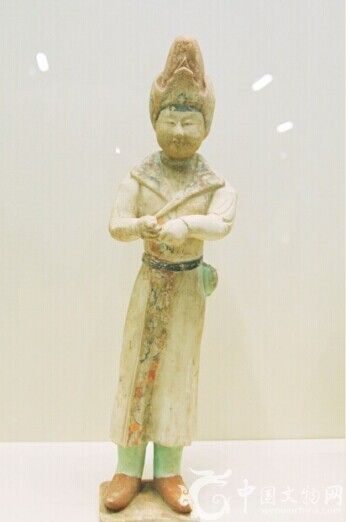
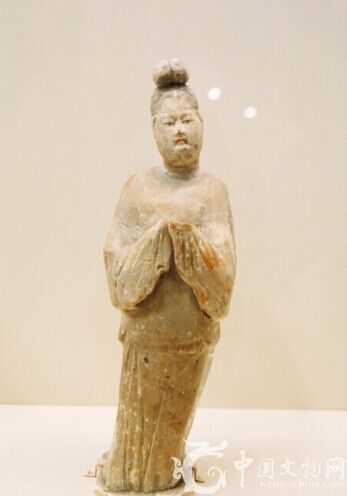
This figure has her hair bound up inside a black futou headwrap and wears a round-collared straight-hemmed robe reaching the floor. Headwrap, robe and boots are all men’s clothing of the period. Wearing men’s dress was a fashion among Tang women — they not only wore Central Asian clothes openly but put on round-collared Han men’s robes outright, with the black futou that had belonged to men.
2. Throwing off the veil, taking to the saddle
In the dynasties before the Tang, a woman of standing who went out had to travel in an enclosed carriage, or wear a mili — a hat with a full-length net that covered her completely.
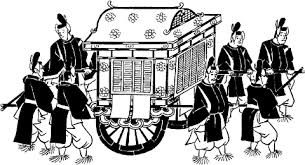
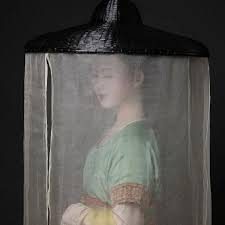
In the eighth century that screen came down fast. First the mili was cut back to the weimao, which covered only the face; then the weimao was dropped too, in favour of fur-trimmed Central Asian caps; and finally women rode out with their hair uncovered, taking the wind in the face with nothing in the way at all.
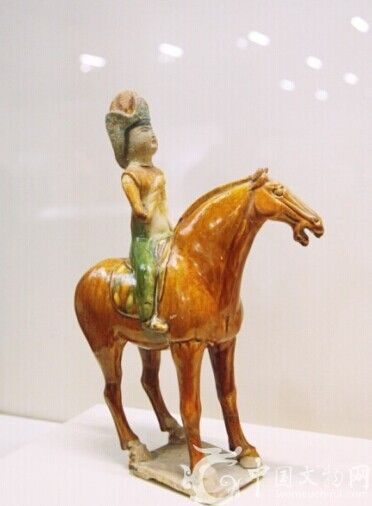
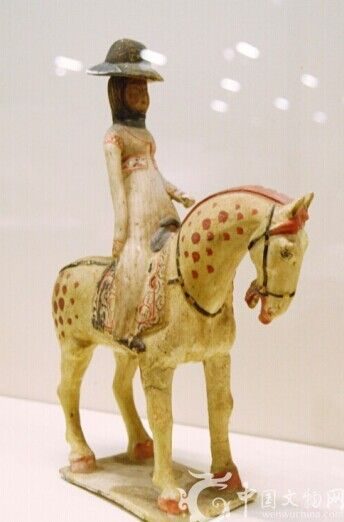
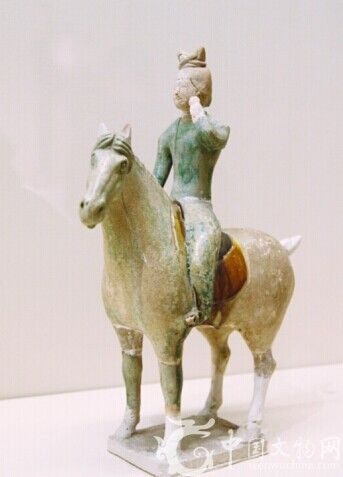
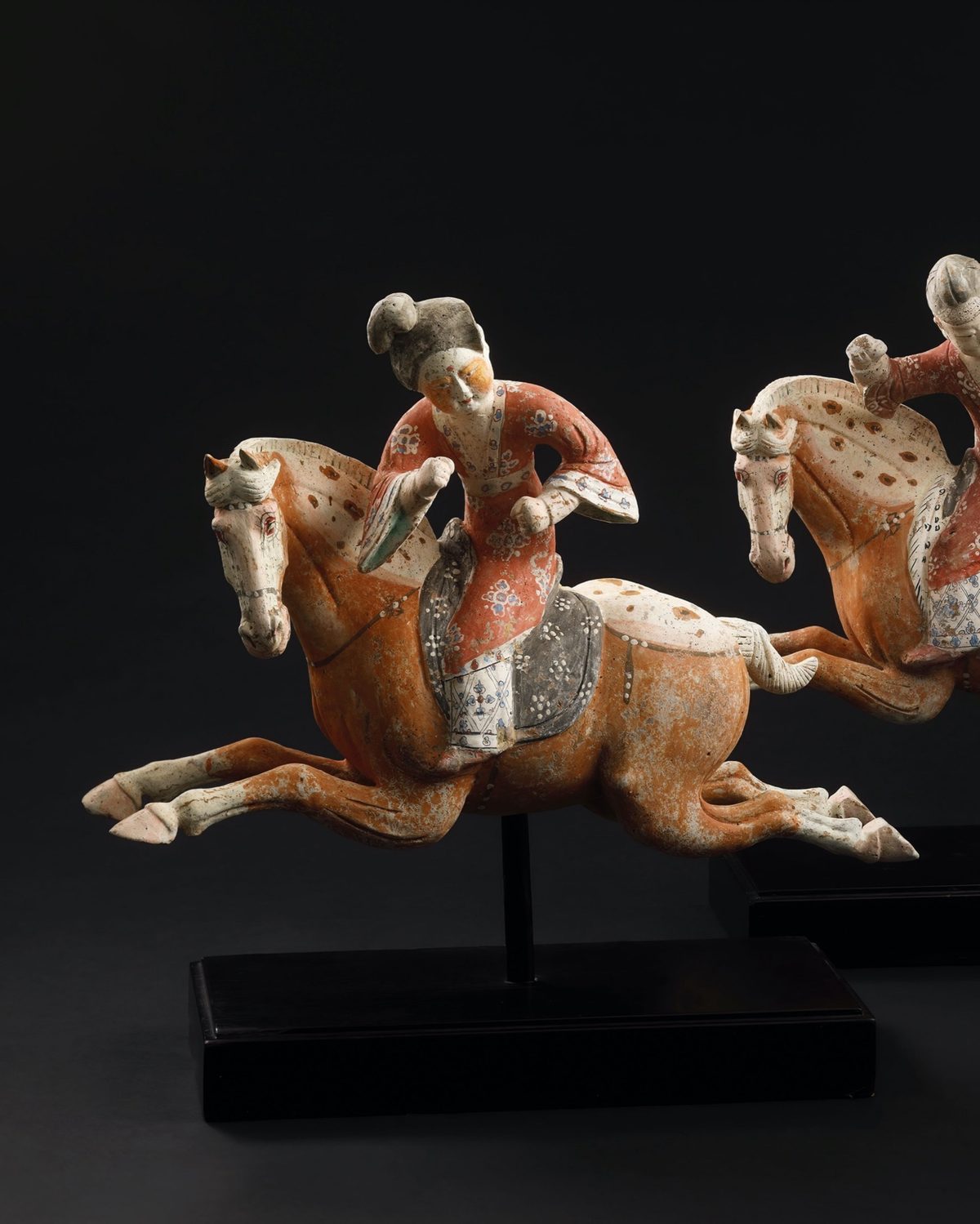
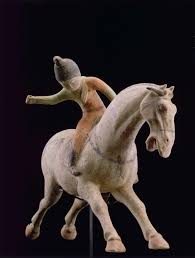
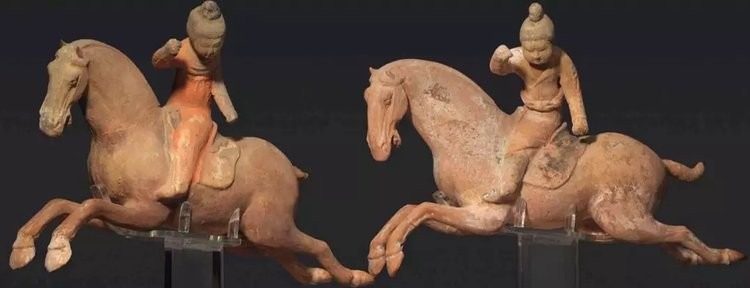
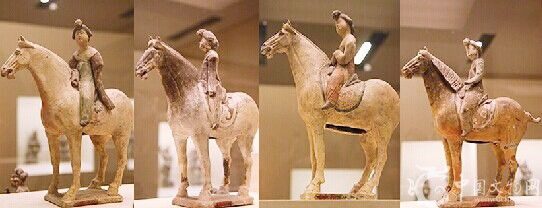
And Tang women did not merely travel. They were powerful riders and competitors. Large numbers of figurines of women on horseback have come out of the Astana tombs at Turfan in Xinjiang and from Tang tombs in Shaanxi. They sit astride, not side-saddle, and they took part in the fierce competitive sport of the day — polo.
3. Whirling dances and music from the saddle
What came from the western regions was not only clothing and spice but music and dance with a strong physical charge. Traditional women’s dance in the central plains emphasised softness, restraint and control. The Sogdian-derived huxuan and huteng dances were something else: performed to the fast music of Kangju on a small round rug, spinning at speed, full of force and tension — and they swept through the circles of Tang women.
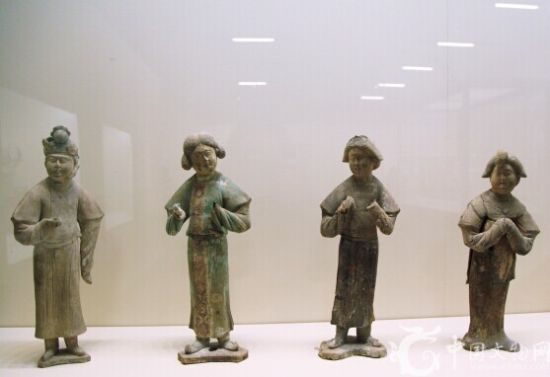
Some of these figures wear women’s dress and are graceful and alluring; others wear foreign or men’s dress and are strikingly bold. Together they show the open, confident, self-possessed bearing of aristocratic Tang women.
Beyond dance, the Xi’an Museum holds a particularly telling set of painted pottery figures of women musicians on horseback: five Han women in men’s dress, mounted, playing from left to right the konghou harp, the pipa, the bili pipe, cymbals and a waist drum.
Afterword
Eighth-century Tang China, weathered by the dust of the Silk Road, produced an unusual picture in the history of women in China: women in foreign dress, drinking wine from the western regions, playing polo and singing from horseback, measuring the width of their age with their own bodies and actions.
These women are no longer confined indoors or to the painted screen. They appear on horseback, on the roads, in the hunt, at the polo ground, in the music. Foreign dress made movement quicker and a good horse carried the body further. The Central Asians rode in — and then the women rode out, into a larger world.
Background to the fiction
This note is research for the original novel Where She Goes, set in AD 632. The Chinese original of this article is at 逾越边界的狂欢:唐朝的女人们.