A Gun, a Horse and 160 Acres: How the Homestead Act Accidentally Made the First Independent Women
The Homestead Act of 1862 let single women claim land in their own name, and accidentally produced the first generation of independent women who owned property outright.
In our invented Western Story, the protagonist finally leaves the ranch and everything holding her there and goes north. That is a romantic construction — a free choice inside fiction.
But in the actual nineteenth century, if an American woman did not go to a large city and did not want to marry, was there in fact any road open to her other than attaching herself to a man?
There was. And it was a road mainstream history has long overlooked, despite being genuinely powerful. Its foundation was the Homestead Act of 1862 — a law written for expansion and conquest, which accidentally produced the first generation of independent women in the modern world.
1. The Homestead Act of 1862: an accidental loophole in history
When people picture westward settlement they usually picture a husband with a wife and children in tow. In law, though, the act Lincoln signed in 1862 contained a clause that can fairly be called radical:
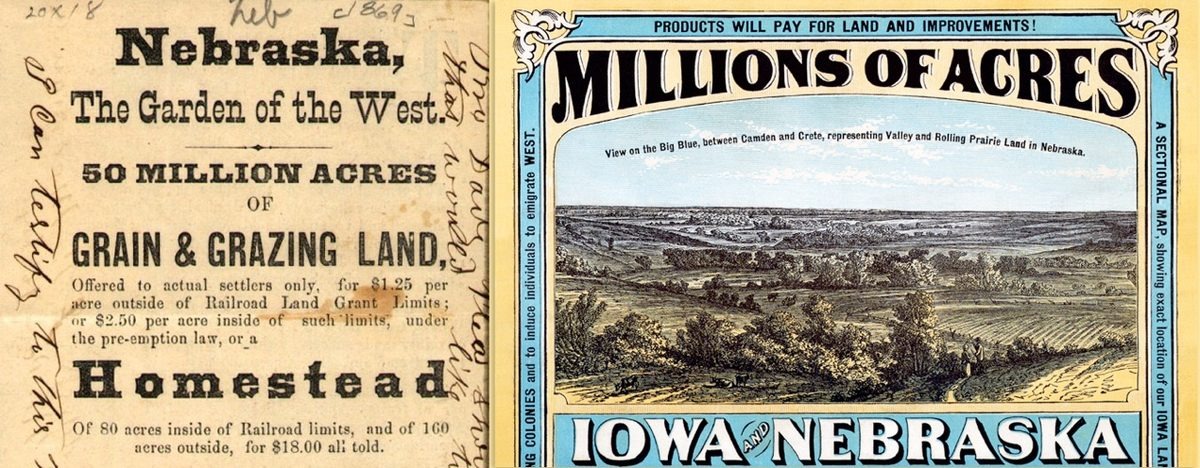
Any single, widowed or divorced woman over twenty-one, as head of a household, was entitled to claim 160 acres of free land on the same terms as a man.
The intent was not to empower women. The point was to accelerate settler expansion westward and take Indigenous land faster. The West at the time was full of men chasing opportunity, socially unstable and hard to root. Congressmen hoped single women would claim land, go west, marry and have children, and so tie those drifting men to the ground in stable households and communities.
In other words, the Homestead Act initially treated these women as instruments for populating and settling the West. What actually happened went well past anything intended.
A striking share. Historians estimate that in states such as Nebraska, Colorado and Wyoming as much as 20 per cent of claimants were single women — the so-called girl homesteaders.
A higher success rate. People did not expect women to manage it; the work was thought too hard to sustain. What is remarkable is that the proportion of women who finally secured title — meaning five continuous years of residence plus the required improvements — was actually higher than the proportion of men.
Meeting wilderness with sheer vitality. More than a hundred thousand women obtained land in their own names under the act. What they were up against was not only the wildness of the land but the wildness of the people — killings were common. And they survived on those 160 acres, on horseback and armed, and later became part of the base that pushed through women’s suffrage.
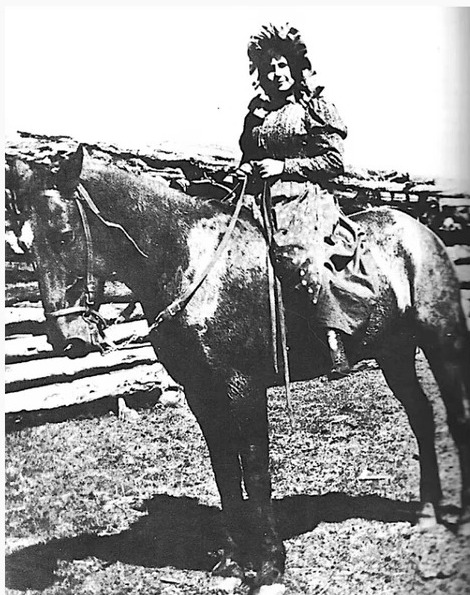
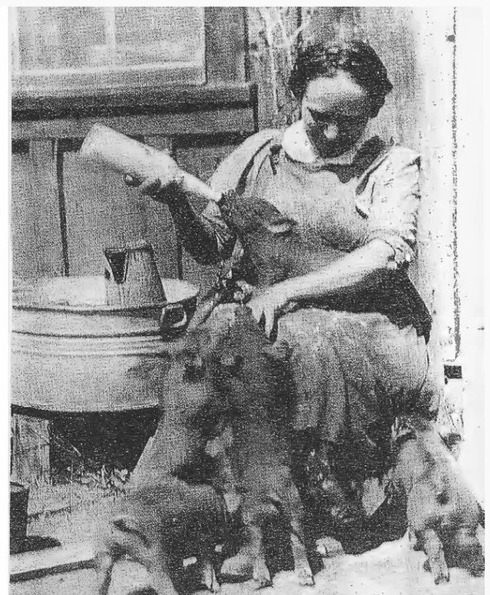
The western range was rough country with poor law enforcement. In July 1886 the homesteader Helen recorded a string of killings in her ledger: John Untop killed the mail carrier; Ahut’s brother murdered Nelson Transon; Loco killed Tommy Jennings. Helen later became a distinguished citizen of Las Vegas and the first woman elected to the Clark County school board.
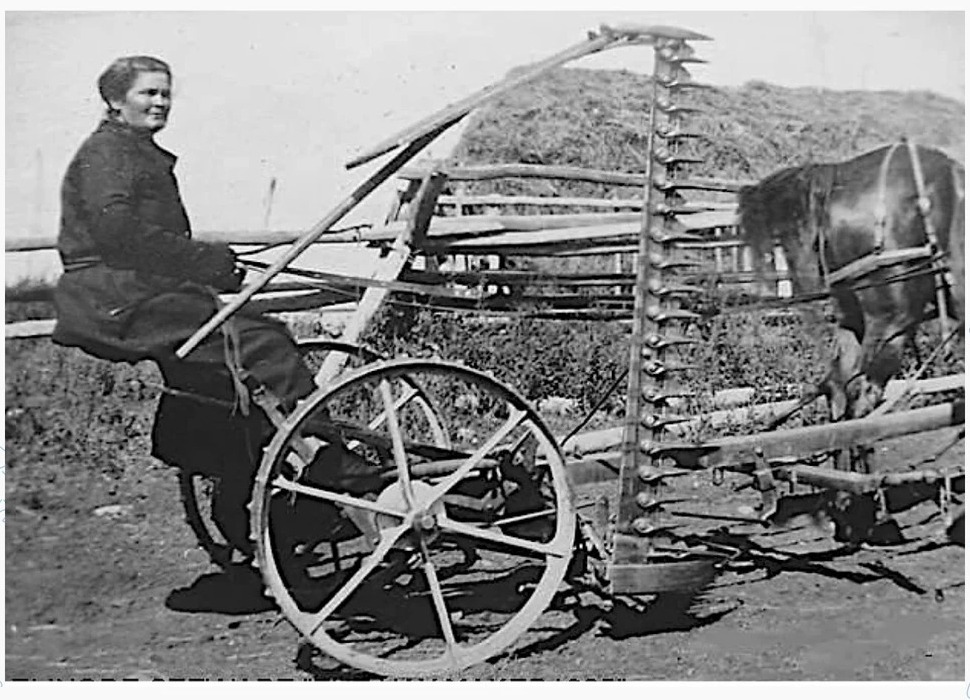
2. The Chrisman sisters: four women holding each other up
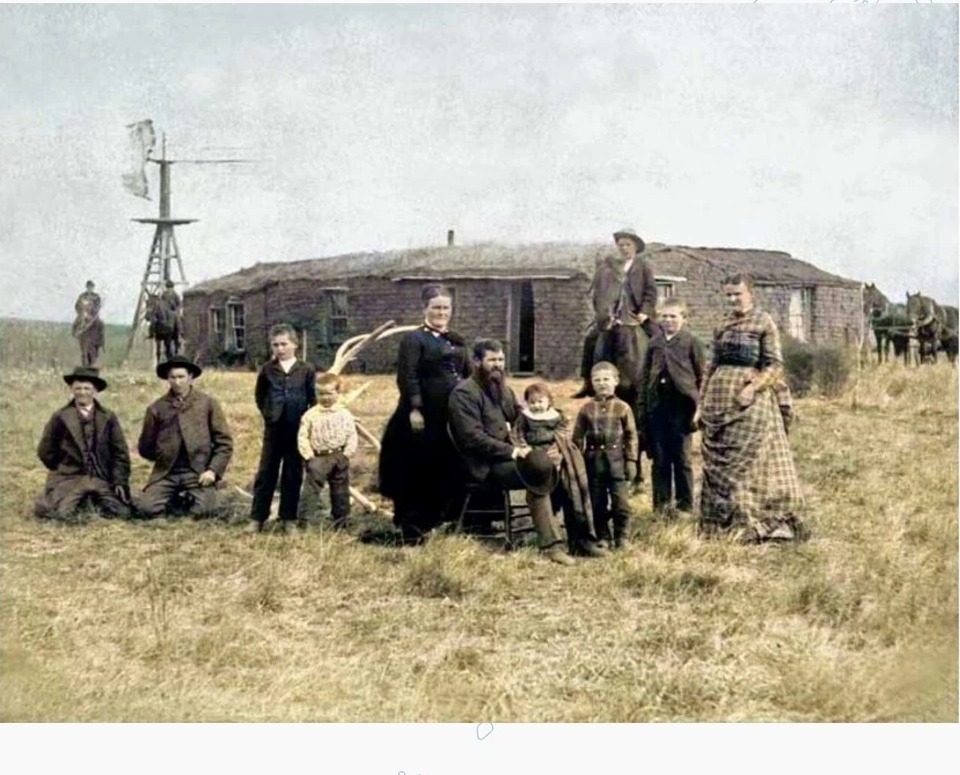
In the years when Western Story takes place, a protagonist heading north would very plausibly have met women like the Chrisman sisters in Nebraska. A well-known photograph from 1886 fixes the four of them — Hattie, Lizzie, Lutie and Ruth — in front of their sod house.
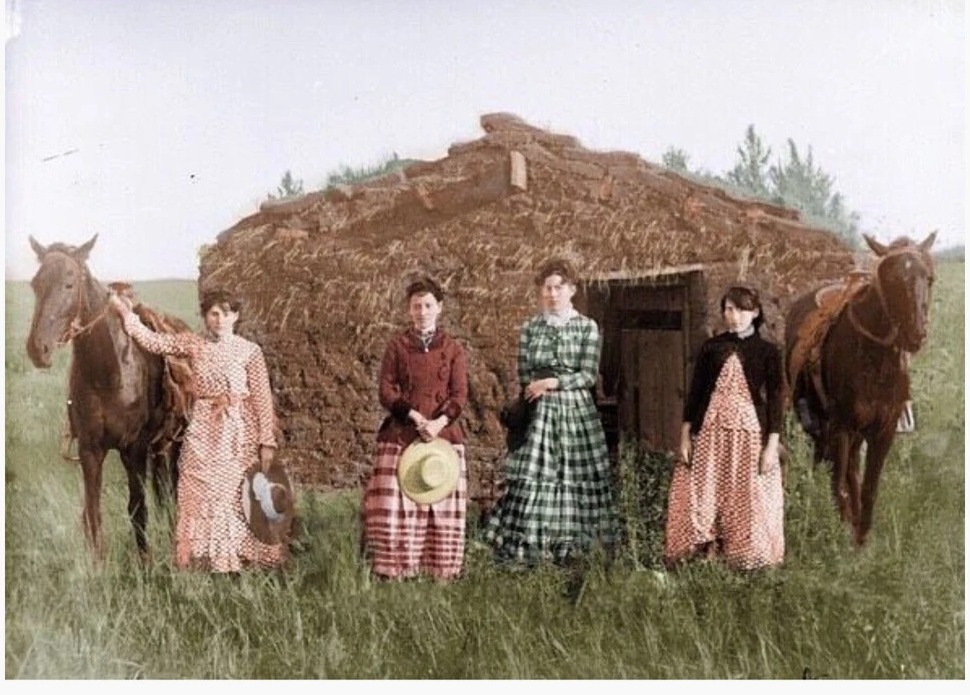
Building independently. All four were unmarried, and each used the Homestead Act and related land laws to claim or buy land of her own and establish a foothold.
Refusing the old rules. The detail of the tack in the photograph shows that these women had long since abandoned the Victorian requirement that a lady ride sidesaddle; they rode astride, as men did. Their existence proves the point: even in the harshest country of the West, women could survive by holding each other up.
3. Letters of a Woman Homesteader: an interior life on the plains
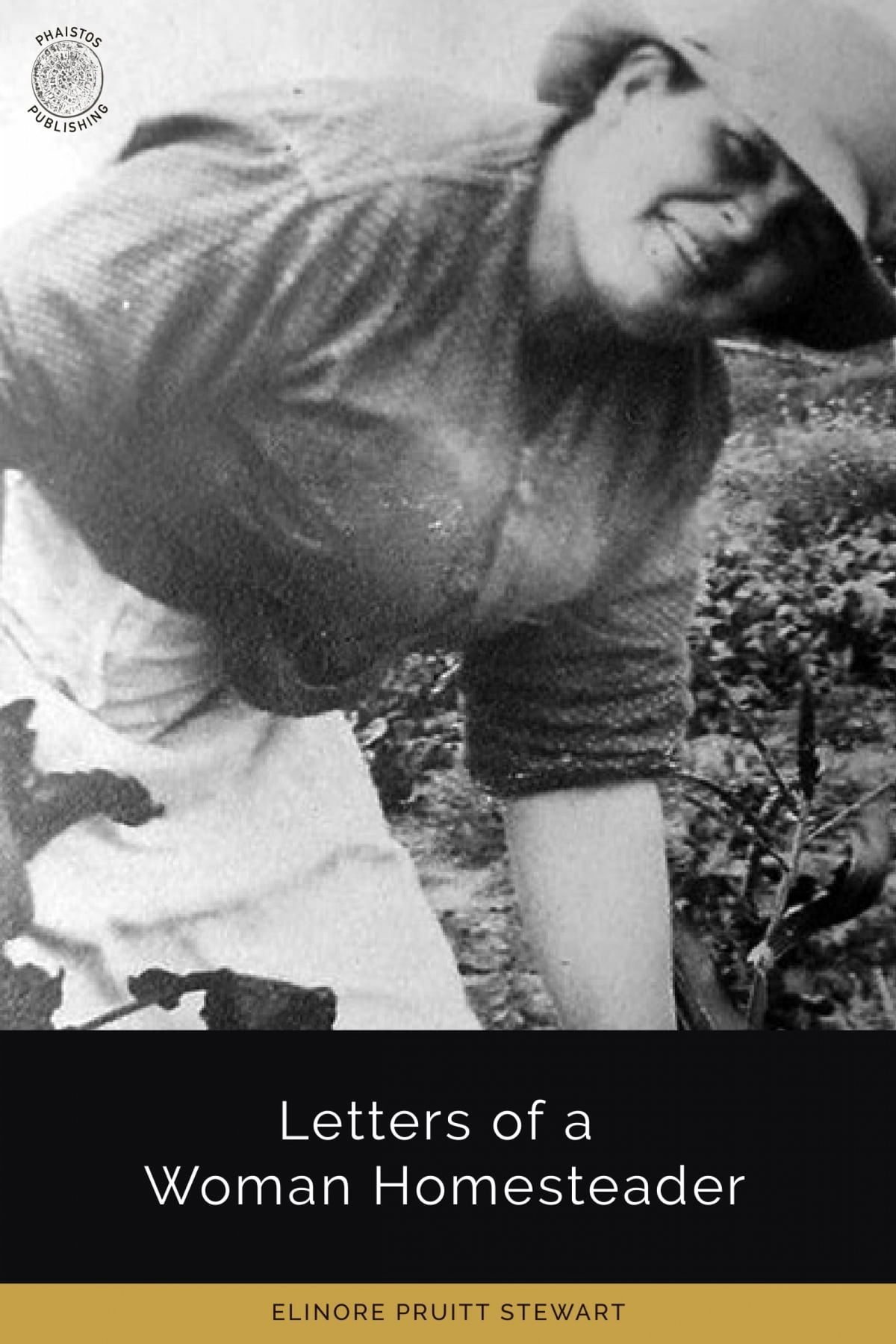
Beyond outward survival, what was going on inside? Some of it was preserved in writing — in Letters of a Woman Homesteader, written by Elinore Pruitt Stewart in the early twentieth century.
Elinore had been a widow supporting herself by taking in laundry in Denver. Wanting land of her own, she went out to homestead in Wyoming. Her letters contain no performative complaint; they are full of appetite for an independent life. What she set down amounts to a version of the argument that a woman needs a room — and land — of her own, and she was writing it around 1878, roughly fifty years before Virginia Woolf’s A Room of One’s Own.
A declaration of independence. She wrote with real confidence that any woman who can bear her own company will end up with independence, enough to eat, and a home entirely her own.
Refusing pity. On the hardship of homesteading she wrote a passage worth sitting with: that when you think of her you must think of her as genuinely happy — she wants many things she does not have, but not so badly that it makes her discontented, or stops her enjoying the many blessings she does have.
Remaking herself. Away from the propriety and the scrutiny of the city, the chopping and cooking and riding and facing into the snow, a day filled solid with work, gave her a kind of clarity instead: a woman’s toughness is not only in enduring, but in turning waste ground into a life, piece by piece.
Afterword
The Homestead Act may have been an accident of its moment, but history also shows how the women of that period seized the accident and then, with something close to stubbornness, put down roots in that empty land.
Perhaps when a person discovers that life has more than one available shape, they really will throw everything into it, and use that surging vitality against the wildness of the land, the wildness of the age, and the wildness of other people.
Background to the fiction
This note is research for the original novel Western Story, set in the American West of 1875, in which the daughters of a ranch choose between land, marriage and themselves, and take a road of their own. The Chinese original of this article is at 一把枪,一匹马,160英亩地.